
Brief introduction: This article offers a clear guide to the place of this plucked string instrument, descended from the lute, in Italian culture.
Origins and forms: It introduces the two main types—Milanese and Neapolitan—their names, shapes, and spread to Mediterranean countries and then North America.
History and repertoire: From the Baroque period to major operatic and orchestral works, the Enlightenment and Romantic eras brought growth, followed by a revival in the twentieth century.
Topics covered: the instrument’s construction (body, soundboard, sound hole, frets), playing styles (plectrum, tremolo), types and related instruments, and popular traditions—including Estudiantinas, Neapolitan song, and plucked string ensembles.
To learn more about how mandolins are made and the different types, see this page about a maker and the instrument.
Definition and construction of the mandolin
An instrument of Italian origin, the mandolin is a small lute suited to agile playing. Its compact shape and short neck aid precision. It is typically between 70 and 75 cm long.
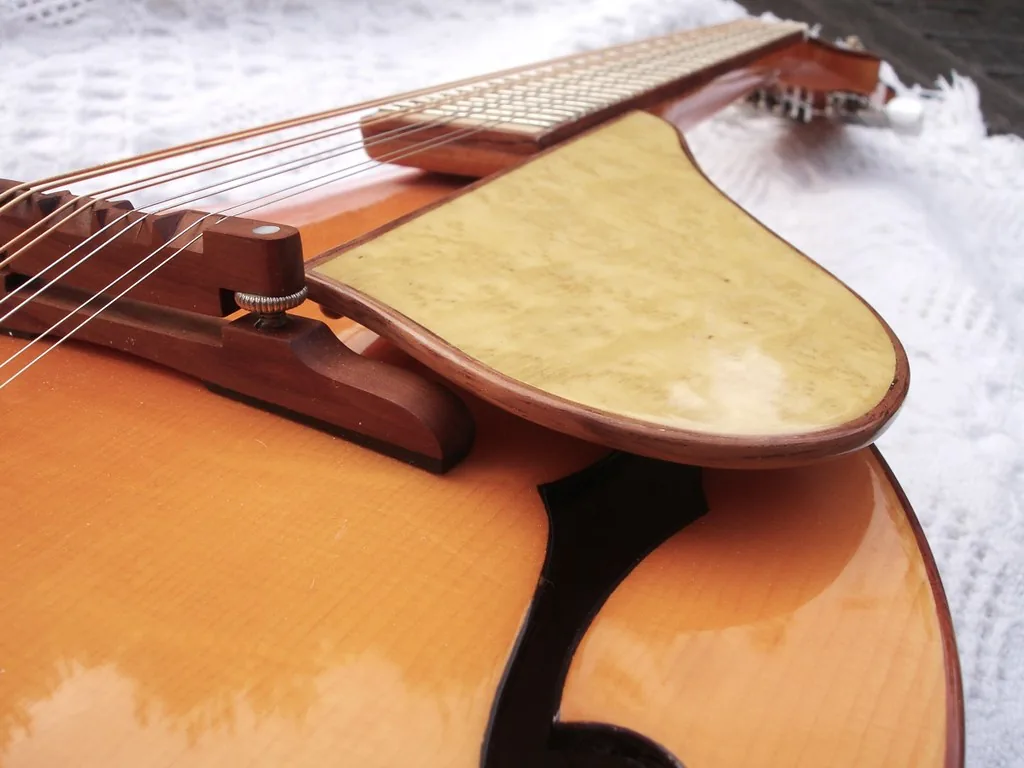
The resonant body is often rounded and made from laminated wood. The soundboard has a large circular or oval sound hole that helps project and resonate the sound.
Strings, neck, and frets
The strings may be made of gut or steel. Fingerstyle playing favors gut; plectrum playing favors steel.
The narrow, short neck allows the frets to be closely spaced. This layout supports fast playing and Baroque ornamentation.
Plectrum playing and tone
The pick, held between the thumb and index finger, produces a crisp attack or a sustained tremolo. The usual tuning in fifths (G–D–A–E) shapes fingering and range, both similar to those of the violin.
| Part | Feature | Effect on sound |
|---|---|---|
| Body | Rounded, made from laminated wood | Volume and warmth |
| Soundboard / sound hole | Circular rosette or f-shaped sound holes | Projection and tonal color |
| Strings | Gut / steel | Singing response / percussive attack |
| Neck | Narrow and short, with frets | Speed and precision |
The mandolin in Italian music: a guide
Its historical journey begins around the turn of the eighteenth century and stretches from Baroque salons to modern orchestras.
From the Baroque to the Enlightenment: sonatas and concertos
The earliest repertoire dates from around 1700 (Francesco Contini, Filippo Sauli). These salon pieces soon grew more substantial.
Vivaldi contributed key works: a concerto in C major, RV 425, and a concerto for two mandolins, RV 532. For context on Vivaldi’s concerto, see this reference page.
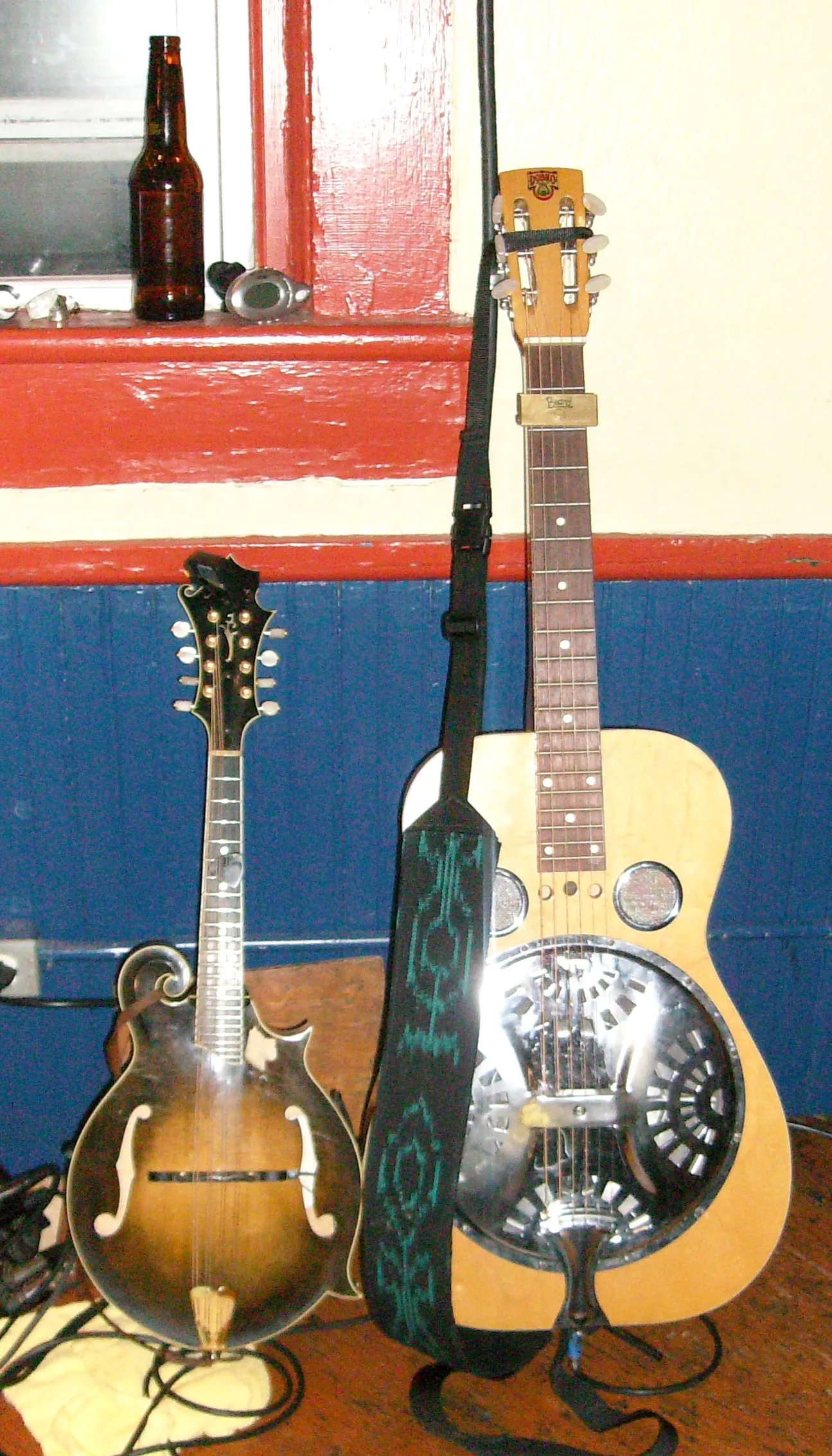
In opera and serenades
The instrument appeared on stage in Bononcini’s work as early as 1707. Mozart’s serenade “Deh vieni alla finestra” in Don Giovanni remains an emblematic example.
Classical repertoire and the orchestra
At the end of the eighteenth century, Beethoven composed four pieces (1796, WoO 43a/43b/44a/44b) for salon performance, often with keyboard or guitar.
In the twentieth century, orchestras used it occasionally: Mahler, Schoenberg, Stravinsky, Prokofiev, and Webern explored its tone to bring new textures to orchestral music.
Traditions and styles in Italy
Neapolitan song uses tremolo accompaniment to color the melody, helping the style achieve wide popularity.
Plucked string ensembles, from Estudiantinas to larger groups, helped the tradition flourish from the late nineteenth century into the early twentieth.
| Period | Reference | Impact |
|---|---|---|
| Around 1700 | Contini, Sauli | Emergence of salon repertoire |
| Baroque / Enlightenment | Vivaldi (RV 425, RV 532) | Concertos and sonatas that established a style |
| Late eighteenth century | Beethoven (WoO, 1796) | Salon pieces, with scope for transcription |
| Twentieth century | Mahler, Schoenberg, Stravinsky, Prokofiev, Webern | Orchestral use and exploration of tone colors |
Types and tunings: Milanese, Neapolitan, and related instruments
The instrument’s different types reflect distinct choices in construction and use.
Milanese (mandurina/mandolino): descended from the lute, it has an almond-shaped body and a circular sound hole. It has six courses of gut strings, played with the fingers and tuned in fourths and a third: G2, B2, E3, A3, D4, G4. This tuning supports a singing style and lute-like tonal colors.
Neapolitan: the most widespread type has four pairs of metal strings tuned like a violin (G–D–A–E). It is played with a plectrum. Its body is deeply rounded, its back is ribbed, and its teardrop-shaped soundboard has a rosette. Steel gives it greater brightness and projection, useful for ensemble or solo playing.
Family and variants: the mandola (alto, C–G–D–A), mandocello (tuned like a cello), and mandobass (four strings tuned in fourths). Variants include the bandolim (Brazil), banjolin (with a banjo head), mandriola (with triple strings), and guitar-inspired models.
“Construction and tuning shape the playing technique: gut softens the attack, while steel gives the sound greater presence.”
| Type | Strings | Tuning | Use |
|---|---|---|---|
| Milanese | 6 courses of gut strings | G2–B2–E3–A3–D4–G4 | Salon music, song, fingerstyle playing |
| Neapolitan | 4 pairs of steel strings | G–D–A–E (like the violin) | Orchestra, solo playing, plucked string ensembles |
| Other types | Variants (triple strings, banjo head) | Various tunings | Regional styles, folk, samba |
Historical development, traditions, and repertoire
Through periods of decline and revival, the instrument’s history followed distinct cycles. After its initial rise, its use declined in the mid-nineteenth century.
A golden age began around 1880 with the Estudiantinas. These plucked string orchestras formed duos, quartets, and larger ensembles. Their popularity lasted into the 1920s in Europe, the Americas, and Japan.
The repertoire includes original works, transcriptions, and light pieces. Many accessible and often highly popular arrangements drew on Romantic and neoclassical styles.
Then came another decline: from the 1930s to the 1950s, the rise of jazz and the accordion pushed the instrument into the background.
In the mid-twentieth century, an international revival emerged. Bluegrass (Bill Monroe, Ricky Skaggs, Chris Thile), jazz (David Grisman), folk, and rock reimagined the instrument’s role.
Today, plucked string orchestras remain active, especially in Germany and Japan. Spring concert seasons in April and May often feature notable works that renew public interest.
This resilience reflects the richness of the repertoire, the instrument’s potential for virtuosity, and the social life of its ensembles.
Conclusion
In short, this article brings together useful points of reference linking the instrument’s name, form, and history. It covers its Italian origins, its construction—a rounded body, soundboard with a sound hole, and short fretted neck—and the Milanese and Neapolitan types.
Key point: its tone is shaped by its strings and plectrum tremolo; its repertoire spans centuries, from the Baroque period to the revivals of the nineteenth and twentieth centuries.
Its uses range from opera and serenades to plucked string ensembles. Concert seasons in April and May remain good opportunities to hear major pieces and landmark works. To listen further, explore recordings and critical writing that connect construction, performance, and culture.