
For more than 4,500 years, this ancient instrument has connected traditions from Central America, Asia, Africa and, later, Europe. Its history spans continents without losing its simple charm. In 1853, Giuseppe Donati helped modernize its shape and make it easier to play. That rich past makes its sounds worth exploring, even without much musical experience.
This guide presents ten songs, from familiar beginner tunes to video game and film themes, with folk music along the way. The melodies offer several levels of difficulty, so everyone can enjoy making progress. You can choose accessible tunes, then gradually take on a challenge.
Your path depends on your experience, your chosen model and the time you spend learning. A few minutes of regular practice are enough to work on breath control, fingering and rhythm. Play at your own pace, without expecting perfection from the start. Each tune becomes a small step into a rich world of sound. This journey suits curious listeners and novice musicians alike.
Ocarina music: 10 pieces to discover and play
This selection brings together ten songs in varied styles: familiar tunes, folk music, film themes and video game music. It also includes pop and musical traditions from around the world. Together, they offer a rich repertoire to explore beyond any one genre.
Sheet music for ten-, eleven- or twelve-hole ocarinas often suits beginners. Intermediate pieces and then advanced compositions call for gradual progress. Start with tunes suited to your experience, then move forward at your own pace.
The instrument’s size and pitch range also affect which songs you can choose. Check that a song’s range fits your ocarina before you begin. Short, regular practice sessions help you work on breath control, fingering and rhythm without rushing.
For more ideas, browse this selection of ocarina sheet music. You can compare difficulty levels, choose tunes you like and gradually expand your repertoire.
Choose pieces that suit your level and ocarina
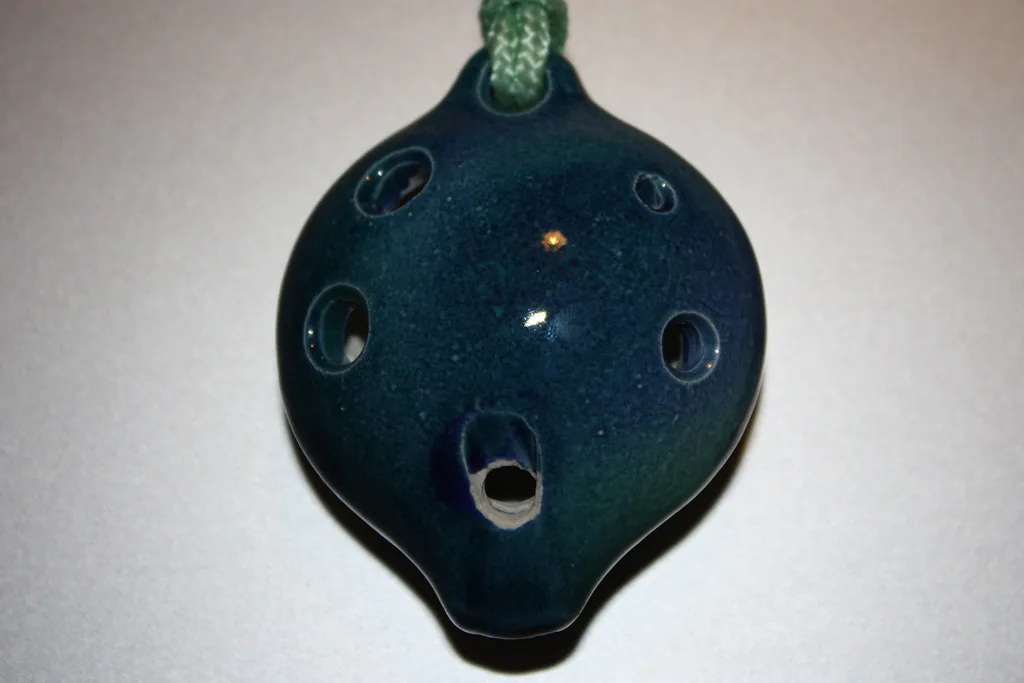
The right choice depends on your skill level, the instrument’s range and its number of holes. Transverse models have 10 to 12 holes, while pendants have 4 to 6. Check which notes are available before choosing a melody.
For beginners, an alto in C offers a practical balance. A soprano produces higher notes, while an alto is versatile. A bass has a lower register. These differences can guide your choice according to the style of music you want to play.

Material matters too: ceramic produces a warm, rich sound, while plastic is light and durable. To guide your learning, weigh these features against your current skills. Beginner sheet music helps you practice at a suitable level. Choose compositions whose difficulty lets you progress step by step.
- Simple techniques make the first attempts easier.
- Finer techniques come with practice.
- A suitable guide helps you play with confidence.
A thoughtful choice makes each practice session more enjoyable. Compare ocarina types before you begin.
| Model | Features | Recommended for |
|---|---|---|
| Transverse | 10 to 12 holes | Players seeking a wider choice of notes |
| Pendant | 4 to 6 holes | Beginners seeking a compact instrument |
| Alto in C | Versatile register | Beginners seeking a balanced choice |
Simple melodies to build confidence
Start with three familiar tunes to build confidence. “Au clair de la lune,” “Frère Jacques” and “Twinkle, Twinkle, Little Star” have simple, memorable melodies. They help beginners focus on their breathing without rushing.
Au clair de la lune
This song unfolds in short phrases. Play each phrase of its simple melody slowly, then connect the notes evenly. Sheet music suited to your instrument makes the first attempts easier to follow.
Frère Jacques
An accessible tune for new players, “Frère Jacques” helps you gain confidence with fingerings. Sheet music written for a 10-, 11- or 12-hole ocarina often suits beginners. Choose a version that matches your model.
Twinkle, Twinkle, Little Star
Try this familiar tune next to vary your playing. Ocarina tablature shows which holes to cover and complements standard sheet music. Regular practice with these simple pieces strengthens your basic skills before you move on to more varied melodies.
- Start slowly, without aiming for speed.
- Repeat passages that need more attention.
- Move on to other simple pieces as you learn.
A few minutes are enough to enjoy these simple melodies and play with greater confidence.
Folk tunes to expand your repertoire
Folk tunes bring a new character to the ocarina repertoire. Their melodies come from traditions around the world. These pieces connect the practice of an ancient instrument with a rich musical heritage.

Auld Lang Syne
This Scottish song has an easy-to-remember melody. “Camptown Races” is another lively choice for beginners. These simple pieces add variety without demanding advanced technique.
Greensleeves
Its measured melody invites careful breath control and phrasing. For more ideas, explore this sheet music for traditional tunes. Jack Campin’s nine-note tune book brings together more than 600 folk melodies, with sheet music and tablature. It lets you explore a wide range of compositions beyond a few familiar songs.
With roots in Central America, Asia, Africa and Europe, the ocarina has a history spanning more than 4,500 years. Its music connects distant cultures and enriches every player’s repertoire.
| Tune | Strength | Practice tip |
|---|---|---|
| Auld Lang Syne | Accessible melody | Play slowly at first |
| Greensleeves | Expressive phrasing | Keep your breath steady |
| Camptown Races | Lively rhythm | Keep a clear beat |
Pop and film melodies to help you progress
After folk tunes, pop hits and film themes broaden your repertoire. These familiar pieces offer a different sound. Their melodies are memorable, but larger leaps between notes need more attention. Choose sheet music suited to your level: a manageable challenge helps you progress while enjoying yourself.
My Heart Will Go On
The long phrases of “My Heart Will Go On” call for steady breathing. An ocarina arrangement highlights the hit’s vocal melody. This pop song invites you to practice each phrase slowly, then connect the notes carefully. You can improve your technique and strengthen your skills without chasing speed.
Hedwig’s Theme
Hedwig’s Theme, from the Harry Potter series, offers another challenge. Its famous melody alternates sustained notes with livelier passages. Intermediate players will find it an engaging exercise. Compare different arrangements: their difficulty varies with the key and pitch range.
These pieces refresh your playing after folk music and prepare you for more complex compositions. Keep enjoyment at the heart of your practice: progress comes more easily when each step feels achievable.
Iconic songs from The Legend of Zelda
Koji Kondo composed several famous songs for the series. Within the games, these melodies leave a lasting impression on players. Ocarina arrangements evoke memorable scenes. The pieces also let you work on notes, breathing and control of the instrument.
Each tune accompanies a particular adventure. Sheet music and tablature make them easier to learn, even when some passages become more complex.
Zelda’s Lullaby
In Ocarina of Time, Impa teaches Link this lullaby after he meets Princess Zelda at Hyrule Castle. The melody opens doors marked with the Triforce symbol, among other things. It connects music with action in the game.
Song of Storms
Link learns this song from Guru-Guru in the Kakariko windmill. It summons rain, giving it a practical role in the adventure. Its rhythm also makes it an interesting piece for broadening your musical experience.
Epona’s Song
At Lon Lon Ranch, Malon teaches Link this song. Playing it near cows lets him obtain bottles of milk. Take time to revisit these compositions slowly: these iconic tunes invite you to explore more of your instrument’s possibilities.
Adapt pieces to your instrument’s holes and range
Before choosing sheet music, check which model you own. A transverse ocarina often has ten to twelve holes, compared with four to six on a pendant. These differences affect the available fingerings.

Next, compare the range shown in the score with your instrument’s range. This will help you avoid notes you cannot play. An alto in C is a practical choice for beginners; other pitches change a piece’s register. Suitable compositions make practice easier to follow and help you develop your skills.
Tablature shows which holes to cover for each note. The OcarinaTuner app can help you check your intonation. Practice the fingerings for one model at a time: this approach helps you improve without confusion. For more advice, read these tips for getting started with folk music. Skill develops through regular exercises and pieces suited to your level.
| Model | Number of holes | Useful guide |
|---|---|---|
| Transverse | 10 to 12 | Wide choice of fingerings |
| Pendant | 4 to 6 | Compact size, more limited range |
| Alto in C | Depends on the model | Practical choice for beginners |
Read ocarina sheet music and tablature
Standard sheet music specifies the notes and rhythm. Tablature shows which holes to cover as you play. Both formats help you follow a song, even if you cannot read standard notation. To compare them, see this guide to reading sheet music and tablature.
Choose the notation you find clearest before tackling more complex compositions. Beginners can start with simple tunes such as a familiar nursery rhyme, then move on to other pieces. OcarinaTabs.org brings together more than 1,000 ocarina tabs, offering plenty of choice for varied practice.
- Feria Musica offers free sheet music to expand your resources.
- MuseScore transposes sheet music to suit a different key.
- OcarinaTuner helps you check intonation and fingerings.
Compare ocarina sheet music and tablature according to how you like to learn. Reading notes may suit some players; diagrams of the holes may be more direct for others. A few attempts are enough to find your bearings. Alternate between the two methods to understand the music better, read scores more easily and gain confidence.
Improve your technique through regular practice
A short routine helps you retain what you have learned without taking over your day. Set aside fifteen minutes daily: regular practice strengthens your skills and builds confidence. Even a brief session can improve your control of the instrument.
Begin with a few scales, then practice an exercise that moves between two octaves. This movement develops finger agility, breath control and precise covering of the holes. Repeat it slowly before increasing your speed. These exercises can improve your technique and the accuracy of your notes.
- “Happy Birthday” is a simple melody you can approach in five minutes.
- Alternate warm-ups with pieces you enjoy to keep playing fun.
- Strengthen your skills before tackling more complex pieces and compositions.
Adapt each session to your level. To play the ocarina more comfortably, move forward step by step: exercises support learning, while melodies enrich the experience. Regular practice turns your progress into a rewarding musical journey. You can also use this complete beginner’s guide to plan your first exercises.
Find free sheet music and learning resources
Explore several online libraries to expand your repertoire. OcarinaTa.com, OcarinaBook.com and OCWALK offer free resources. OCWALK sorts its tablature by difficulty, helping players find material suited to their level and experience.
Feria Musica also offers free sheet music, while OcarinaTabs.org collects more than 1,000 entries. Its catalogue includes songs, simple pieces and more demanding compositions. Browse this sheet music selection to widen your search.
For a ready-to-print edition, Sheet Music Plus and OcarinaSongBook.com sell digital or paper versions. Musicians who play in groups can also buy arrangements for ocarina ensembles published by Emiliano Bernagozzi.
- Free sites: difficulty guides and a varied selection.
- Paid catalogues: digital or printed formats.
- Ensemble arrangements: playing together.
Compare resources before making your next choice. A clear guide and well-marked tablature make music easier to follow. Choose a song you like, then gradually expand your repertoire. Enjoyment remains an excellent reason to keep improving.
Conclusion
The ten pieces in this selection range from familiar tunes to themes from The Legend of Zelda. They open up a varied world in which every melody invites further exploration. With more than 4,500 years of history, the ocarina offers a repertoire that can grow with every musician.
Sheet music and tablature make this journey easier. Choose pieces suited to the number of holes and the range of your instrument. A daily fifteen-minute session, together with exercises spanning two octaves, builds a solid foundation.
To work on sustaining notes, breath control or rhythm, read our guide to mastering your instrument. Free and paid resources can then help you explore new compositions. Make this music a personal journey, guided by the pleasure of improving at your own pace.