60 times more folk music
Discover the vibrant world of folk music on In Folk 60.
Who are we?
The In Folk 60 team came together through a shared passion for folk music that began in the 1960s, an era when authentic sounds resonated powerfully.
Our journey began in 2019, when we brought together our varied skills and our desire to celebrate the richness of folk music.
In 2020, the site took off and welcomed a growing community. From 2021 to 2023, we expanded our content, exploring folk music’s roots and new trends.
Today, our commitment to authenticity and musical discovery remains the beating heart of In Folk 60.

How has folk music evolved over time?
Folk music has evolved in fascinating ways over the centuries, shaped by cultures, traditions and social movements around the world. Initially passed down orally from generation to generation, it often reflected the concerns and experiences of ordinary people, serving as a way to express themselves and preserve their collective history.
In its early days, folk music was closely connected to the daily lives of communities and accompanied social, religious and seasonal events. Its songs often told stories of work, love, social struggles and migration. Their structure and instrumentation were generally simple, emphasizing the voice and instruments available to local people.
Over the centuries, folk music has absorbed many influences, including cultural exchange, migration and technological innovation. In the nineteenth century, for example, advances in printing enabled popular songs to circulate as sheet music, while industrialization and urbanization introduced new themes that reflected the lives of urban workers.
Folk music enjoyed a major revival in the twentieth century, particularly during the folk revival of the 1950s and 1960s in the United States. Artists such as Woody Guthrie, Pete Seeger and Joan Baez played crucial roles in revitalizing folk music as a means of social and political protest, addressing civil rights, peace and the environment.
In the decades that followed, folk music continued to evolve, incorporating influences from rock, country, blues and other genres. It also embraced musical traditions from around the world, growing more diverse and reaching wider audiences.
Today, folk music remains an important way to preserve culture, build communities and express human diversity. It continues to evolve alongside social and technological change while remaining true to its roots as the voice of the people.
What are the defining features of a region’s folk music?
The defining features of folk music vary greatly from region to region, reflecting the customs, languages, landscapes and shared experiences of local communities. Here are some elements that can define a region’s folk music:
- Traditional instruments : Each region may have its own distinctive folk instruments, such as the banjo in American folk music, the bouzouki in Greek folk music or the bagpipes in Scottish folk music. These instruments bring unique sounds and are often closely tied to the region’s cultural identity.
- Language and lyrics : Folk songs are often sung in a region’s local language, giving them an authentic character and a deep connection to the local community. Their lyrics generally address themes that matter to residents, such as love, work, nature, religion and local history.
- Themes and subjects : Folk songs often reflect a community’s shared values, beliefs and experiences. Scottish ballads, for example, may tell stories of battles and national heroes, while American folk songs may address migration, work and the struggle for civil rights.
- Musical styles : Each region may have its own distinctive musical styles within its folk music. Examples include bluegrass in the southern United States, fado in Portugal and flamenco in Spain. These styles often emerge from long traditions and develop gradually over time.
- Oral tradition and performance : Folk music is often passed down orally from generation to generation, allowing songs to be interpreted and adapted over time. Each performer can bring a personal touch to a song, adding to its richness and diversity.
A region’s folk music thus offers a vivid reflection of its history, culture and identity. It continues to evolve and thrive through transmission between generations and the dedication of local communities.

Which instruments are associated with folk music?
Folk music often features a variety of instruments that contribute to its authenticity and timeless appeal. These instruments, often simple in their construction and operation, offer a rich and varied range of sounds. Here are some instruments associated with folk music:
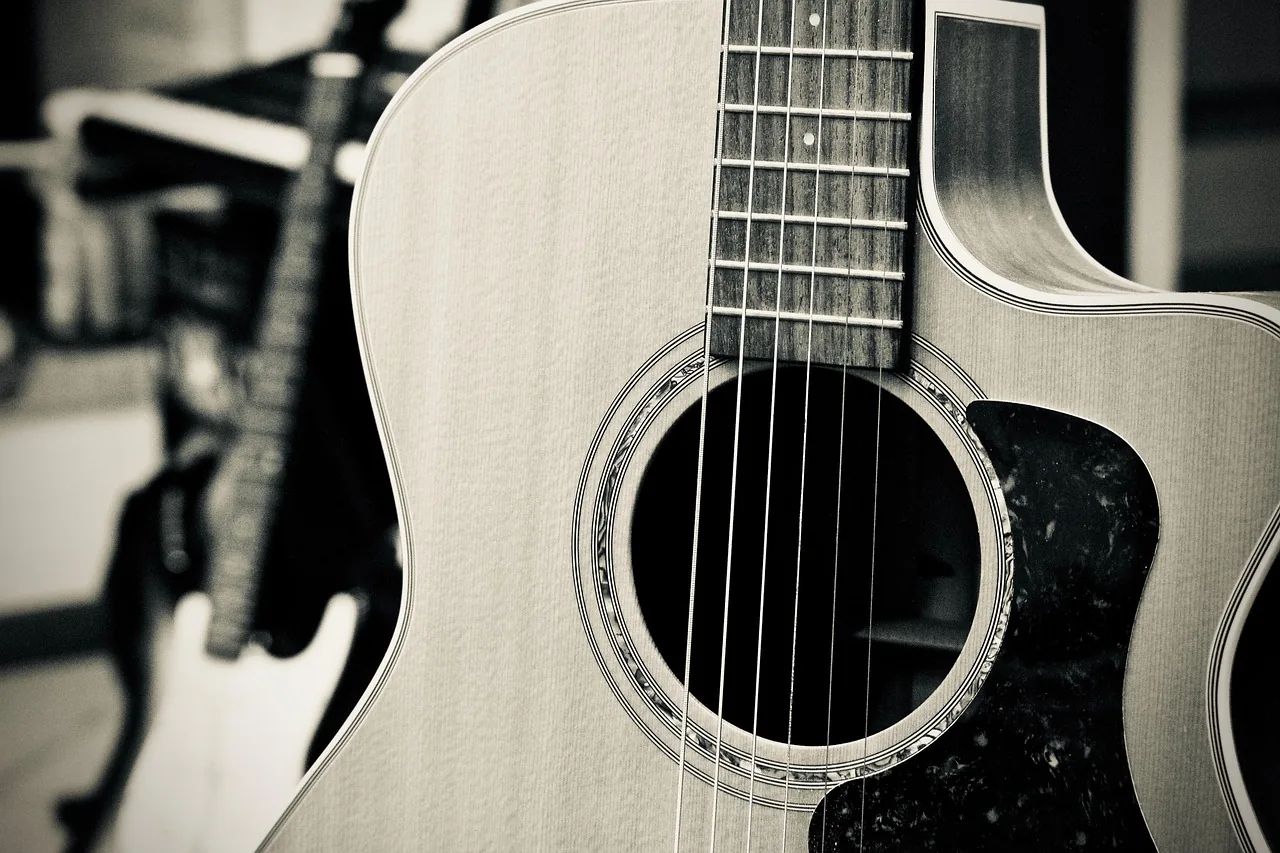
- Acoustic guitar : The acoustic guitar is one of folk music’s most iconic instruments. With its warm sound and versatility, it often accompanies folk songs, providing harmonious chords and captivating melodies.
- Banjo : Originating in Africa, the banjo is a plucked string instrument widely used in American folk music, particularly bluegrass. Its distinctive sound and rhythmic playing make it an essential part of many folk ensembles.
- Fiddle : The fiddle brings rich, moving harmonies to folk music. Often used for lead melodies and solos, it adds emotional depth to many folk songs.
- Mandolin : With its bright sound and fast playing style, the mandolin is popular in folk music, particularly Celtic styles and bluegrass. It provides lively rhythmic accompaniment and vivid melodic lines.
- Accordion : The accordion adds a nostalgic, wistful atmosphere to many folk songs, particularly in European and Latin American music. Its rich sound and versatility make it a valuable addition to many folk ensembles.
These instruments, among others, contribute to folk music’s authenticity and diversity and reflect cultural and regional traditions around the world. Each brings its own sound and personality to the ensemble, creating a rich blend of folk sounds.