
Folk music is a genre rooted in musical traditions from around the world. Folk music instruments are essential to the genre, giving it unique sounds and textures. They include the acoustic guitar, violin, banjo, harmonica, mandolin, accordion, flute, bodhrán and balalaika. These iconic instruments create the authentic, welcoming atmosphere of folk music.
The acoustic guitar in folk music
The acoustic guitar is one of the most iconic instruments in folk music. It is often the main instrument in folk songs and gives them a distinctive sound. The acoustic guitar is versatile: it can play melodies, chords and rhythms. It creates an intimate, welcoming atmosphere in folk music.
The acoustic guitar is a plucked string instrument that produces a warm, natural sound. It is usually played with the fingers or a pick, allowing musicians to vary its tone and volume. Its rich, resonant sound blends beautifully with voices and other folk instruments.
The acoustic guitar often accompanies the poetic lyrics and captivating melodies of folk songs. It creates an intimate, authentic atmosphere that transports listeners to another time and place. Whether in a small café or at an outdoor festival, it is an essential part of the folk music experience.
In conclusion, the acoustic guitar plays a central role in folk music because of its distinctive tone and the warmth it creates. This iconic instrument continues to inspire artists and captivate folk music lovers around the world.
| Instrument | Characteristics |
|---|---|
| Acoustic guitar | Plucked string instrument Warm, natural sound Versatile enough to play melodies, chords and rhythms |
|
|
|
The violin in folk music
The violin is an iconic folk instrument that brings a rich, expressive sound to the music. It is often used to play lively melodies and harmonies alongside other instruments. Its warm tone and versatility make it popular with folk musicians.
The violin is often played with a bow, producing melodic notes and trills that create an authentic folk atmosphere. It can also play chords, enriching the harmony of folk compositions.
Violin technique in folk music varies by style. In bluegrass, for example, musicians often use fast, precise bowing to create virtuosic solos. In Celtic music, the violin plays melancholy airs and lively dance tunes.
| Advantages of the violin in folk music | Disadvantages of the violin in folk music |
|---|---|
|
|
With its long history and ability to evoke deep emotions, the violin remains indispensable to folk music. Whether taking the lead or adding subtle harmonies, it contributes to folk music’s authentic, timeless atmosphere.
The banjo and harmonica in folk music
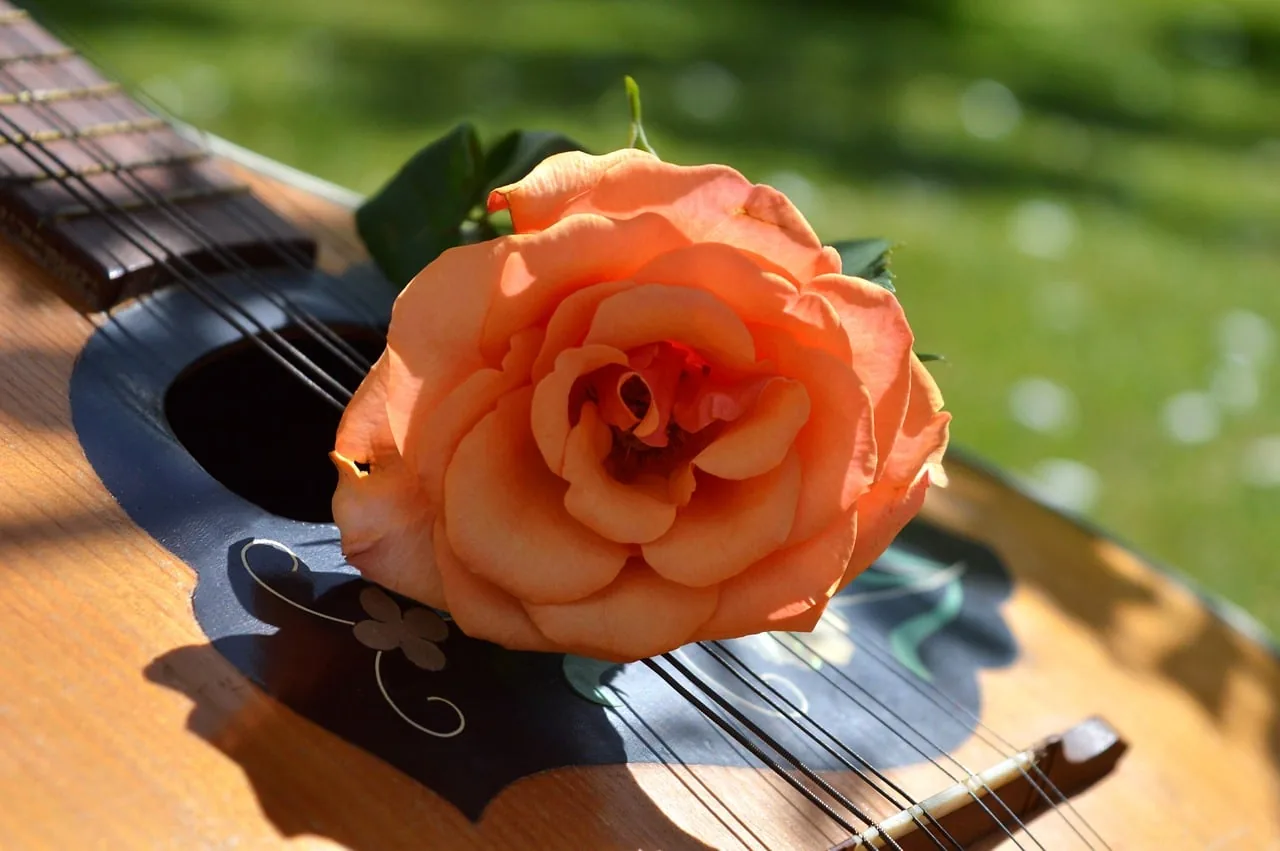
The banjo and harmonica are two iconic folk instruments. Used for generations, they bring distinctive sounds to this timeless genre. The banjo, a plucked string instrument associated with blues and bluegrass, adds energy and rhythm to folk music. It creates lively rhythms that accompany the melodies and vocals of folk songs.
The harmonica is a wind instrument that gives folk songs a melodic sound with blues influences. It is often used for improvisation and solos, adding expression to folk performances. The harmonica is also easy to carry, making it popular with folk musicians on the move.
The banjo and harmonica are versatile instruments that can be used in many ways in folk music. They can be played solo to create intimate moments or in a group to build a lively, festive atmosphere. However they are used, both instruments bring richness and authenticity to folk music.
Example of a folk song featuring banjo and harmonica:
To illustrate how the banjo and harmonica are used in folk music, here is an example of a classic folk song featuring these instruments:
- Title: “The Times They Are a-Changin'”
- Artist: Bob Dylan
- Album: The Times They Are a-Changin’ (1964)
-
Lyrics:
The mandolin and accordion in folk music
The mandolin and accordion are two iconic folk instruments, each bringing a unique sound to a genre rich in tradition. The mandolin, a plucked string instrument, is often used to play lively melodies in folk songs. Its clear tone adds a harmonious, melodic touch. It can be played solo or alongside other folk instruments.
The accordion is a wind instrument that adds a joyful, lively atmosphere to folk songs. It is often associated with traditional music and used to create driving rhythms and vibrant harmonies. Versatile enough for many styles, it can express a range of emotions, from gentle ballads to upbeat, festive pieces.
Together, the mandolin and accordion create an engaging dynamic in folk music. The instruments complement each other, combining wistful melodies with lively rhythms. They help create a warm, welcoming atmosphere in folk performances and are an integral part of the genre’s sound.
Table: comparing the mandolin and accordion in folk music
| Characteristics | Mandolin | Accordion |
|---|---|---|
| Sound | Harmonious and melodic | Joyful and lively |
| Use | Playing melodies and accents | Creating rhythms and harmonies |
| Type | Plucked string instrument | Wind instrument |
| Characteristics | Compact and portable | Large and versatile |
This comparison highlights the main characteristics of the mandolin and accordion in folk music. Despite their different sounds and uses, both instruments are essential to its authentic, warm atmosphere. Whether playing lively mandolin melodies or festive accordion rhythms, musicians captivate listeners and draw them into the timeless world of folk music.
The flute, bodhrán and balalaika in folk music
The flute is a wind instrument with an important place in folk music. It adds lightness and enchanting melodic phrases. With its clear tone, the flute creates a poetic, ethereal atmosphere. It is often used for delicate solos and melodic lines that blend with other folk instruments.
The bodhrán is an Irish drum that plays an essential role in folk music. This percussion instrument gives folk songs a lively, energetic rhythm. With its distinctive sound and rhythmic playing, the bodhrán creates a festive atmosphere that invites listeners to tap their feet and get swept up in the music.
The balalaika is a Russian plucked string instrument that adds a unique sound to folk music. With its triangular body, the balalaika produces bright, distinctive tones. It is often used for playful, lively melodies and harmonious chords. The balalaika adds an authentic folk touch, evoking Russian traditions and Slavic landscapes.
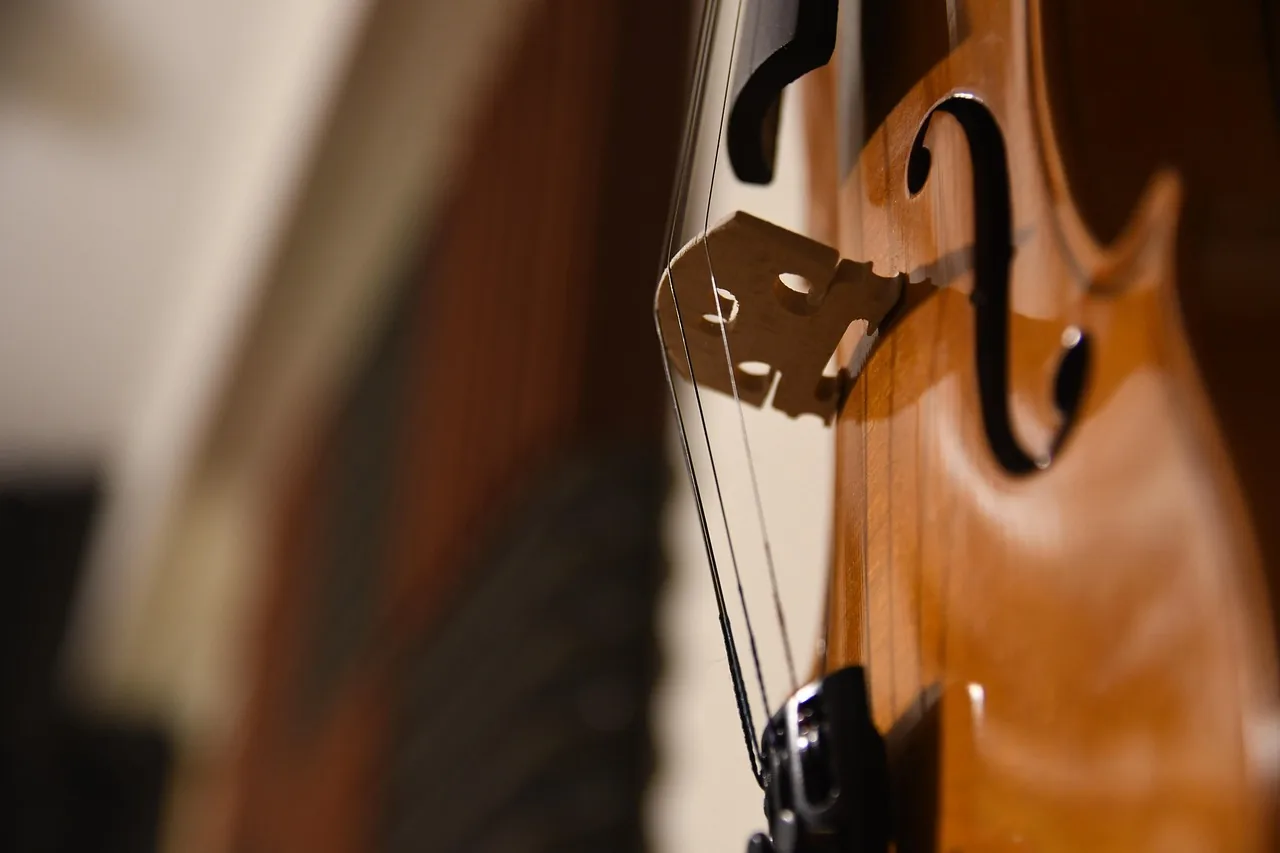
Table: comparing instrument characteristics
| Instrument | Characteristics |
|---|---|
| Flute | Melodious sound, clear tone, enchanting melodic phrases |
| Bodhrán | Lively rhythm, rhythmic playing, distinctive sounds |
| Balalaika | Bright sounds, triangular body, unique tone |
Whether wind, percussion or string instruments, all of these have a place in folk music: each contributes a particular sound and helps create an authentic atmosphere. The flute enchants with its lightness, the bodhrán provides rhythm and energy, and the balalaika adds a folk touch. Together, they create folk music’s warm, vibrant atmosphere, captivating listeners and transporting them into a musical world rich in emotion.
Conclusion
Iconic folk instruments such as the acoustic guitar, violin, banjo, harmonica, mandolin, accordion, flute, bodhrán and balalaika help define the essence of folk music. They bring unique sounds and authentic textures to this timeless genre. Their versatility and distinctive tones create a warm, welcoming atmosphere.
Folk music continues to evolve and influence the music scene while preserving traditions and cultures from around the world. These instruments are integral to that evolution, whether used to create new sounds or preserve traditional ones. In traditional folk songs and contemporary performances alike, folk music instruments play an essential role in creating music rich in emotion.
In conclusion, folk music would not be the same without its iconic instruments. The acoustic guitar, violin, banjo, harmonica, mandolin, accordion, flute, bodhrán and balalaika are pillars of the genre, giving it unique sounds and an authentic feel. Whether you are a music lover or a musician, these varied and captivating instruments make folk music a rewarding, emotional experience.
FAQ
What are the iconic instruments of folk music?
Iconic folk instruments include the acoustic guitar, violin, banjo, harmonica, mandolin, accordion, flute, bodhrán and balalaika.
What role does the acoustic guitar play in folk music?
The acoustic guitar is often the main instrument in folk songs. It contributes a distinctive sound and creates an intimate, welcoming atmosphere.
Why is the violin important in folk music?
The violin brings a rich, expressive sound to folk music. It is often used to play lively melodies and harmonies alongside other instruments.
What roles do the banjo and harmonica play in folk music?
The banjo is associated with blues and bluegrass sounds, adding a distinctive dimension to folk music. The harmonica gives folk songs a melodic touch with blues influences.
How do the mandolin and accordion contribute to folk music?
The mandolin brings a harmonious, melodic sound to folk music and is often used for accents and solos. The accordion adds a traditional sound and a joyful atmosphere to folk songs.
What roles do the flute, bodhrán and balalaika play in folk music?
The flute adds lightness and melody through its phrases and solos. The bodhrán, an Irish percussion instrument, provides a lively rhythm. The balalaika, a Russian plucked string instrument, contributes a distinctive sound.
What is the overall impact of folk music instruments?
Iconic folk instruments help define the essence of this timeless genre. They bring unique sounds and authentic textures while preserving traditions and cultures from around the world.