
Bluegrass is a musical style that combines the old and the new. Originating in the United States, it has gained ground in France. Bands such as Québec Redneck Bluegrass Project mix folk, traditional music, bluegrass and punk.
The genre is known for its traditional acoustic sound and four-part vocal harmonies. It also draws on varied influences, including Irish music, rock and blues. French bluegrass bands perform French songs. One example is Margaret Tracteur, whose EP “Mettre la charrue devant les bœufs” was produced by Pi Cutler.
They also write original compositions. These works show a balance between American heritage and musical innovation.
The origins of bluegrass in France
Bluegrass found a place in France thanks to bands such as New Blue Quitach. From southern France, near Nîmes, the band is among the bluegrass pioneers who helped introduce and popularize the genre.
The emergence of second-generation bands
A second generation of bands emerged, particularly between the Mediterranean and the Cévennes. These bands gave American bluegrass a French touch. They performed French songs and wrote new compositions influenced by their home regions in France.
“Bluegrass in France has undergone a fascinating evolution, growing from pioneering bands into a lively, diverse scene that reflects local influences while staying true to its roots.”
New Blue Quitach is one example of these second-generation bands. It has left its mark on the history of French bluegrass.
| Band | Origin | Influence |
|---|---|---|
| New Blue Quitach | Nîmes area | Traditional bluegrass with a French touch |
| Les Décotes | Auvergne | A blend of bluegrass and Auvergne folk songs |
| Blue Grass Dawgs | Normandy | Bluegrass renditions of French chanson classics |
By combining tradition and modernity, these bands have created a distinctive bluegrass scene in France. Their influence extends far beyond the regions of France where they began.
The traditional acoustic sound and its components
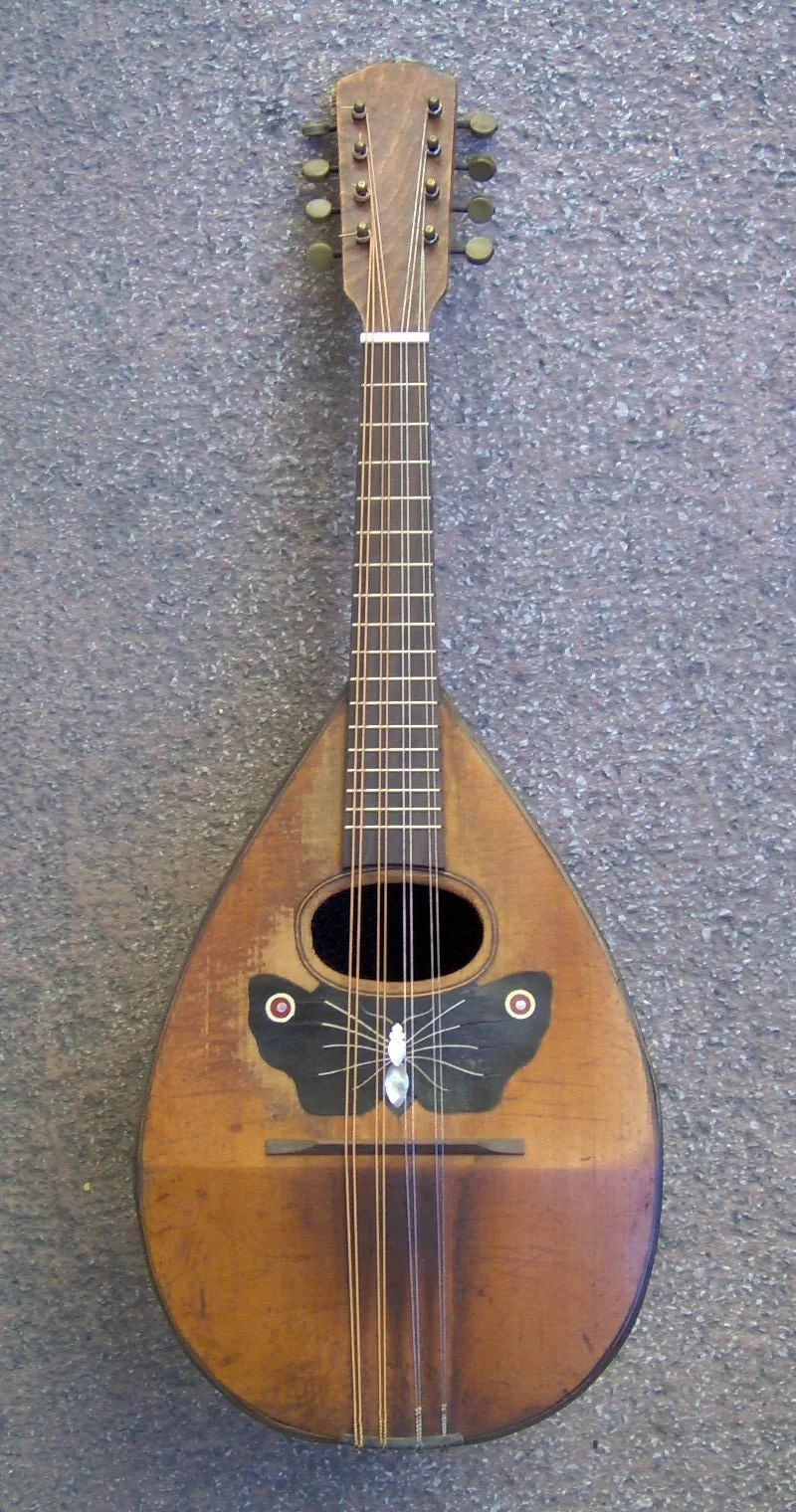
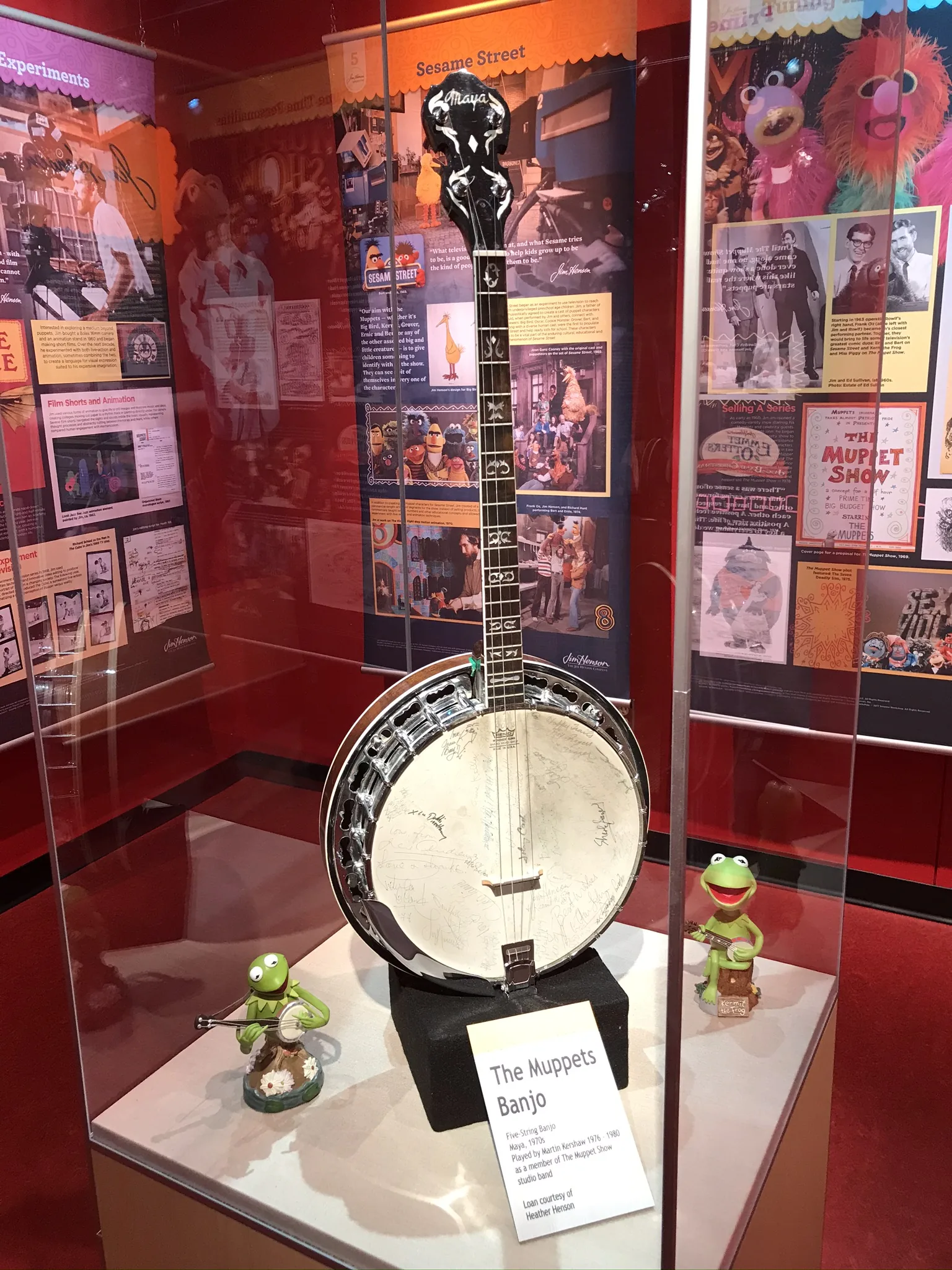
Bluegrass is known for its distinctive acoustic sound. It uses acoustic instruments such as the guitar, banjo, mandolin, fiddle and upright bass. These instruments are at the heart of the bluegrass sound.
New Blue Quitach is a good example. Its members include Benoît on guitar and vocals, Erick on banjo and vocals, Bernard on mandolin and vocals, and Jean Paul Jamot on upright bass and vocals. Their instrumentation captures the essence of bluegrass.
The acoustic instruments accompany the four-part vocal harmonies characteristic of bluegrass. This rich sound comes from American folk music and also makes room for contemporary instrumental innovations.
| Instrument | Role in bluegrass |
|---|---|
| Guitar | Provides the basic harmonic and rhythmic structure |
| Banjo | Adds a distinctive sound and lively rhythmic patterns |
| Mandolin | Creates fast, virtuosic melodic lines |
| Fiddle | Provides expressive solos and enriches the harmonies |
| Upright bass | Provides a solid foundation and supports the band’s rhythm |
The range of acoustic instruments, combined with the skill of the musicians, creates a distinctive sound. It reflects tradition while leaving room for innovation.
The modern evolution of French bluegrass
French bluegrass has evolved considerably. It has merged with other musical styles to create a new sound. Bands such as New Blue Quitach have adapted French songs in a bluegrass style, creating a connection between the two cultures.
These bluegrass adaptations of French songs have modernized the genre while preserving its traditional essence. Contemporary instrumental innovations have enriched the traditional acoustic sound and opened new possibilities for modern bluegrass.
Blending with other musical styles
French bluegrass has embraced new influences, incorporating Irish music, rock and blues. This musical fusion has reinvented the genre while retaining the foundations of traditional bluegrass.
Adapting French songs
Bands such as New Blue Quitach have adapted French songs in a bluegrass style. They have created a distinctive bridge between the two musical cultures. This innovation has modernized bluegrass while paying tribute to the breadth of French music.
Contemporary instrumental innovations
Contemporary instrumental innovations have enriched bluegrass’s traditional acoustic sound while preserving its distinctive identity. Musicians have explored new sonic possibilities, pushing the genre’s boundaries to create the engaging musical experience characteristic of modern bluegrass.
Notable festivals and venues
French bluegrass bands perform at well-known venues and festivals. These include the Toulouse Festival, the Country Rendez-vous de Craponne-sur-Arzon, the Bluegrass in La Roche Festival, Paloma in Nîmes and the Nice American Music Festival. They play an important role in promoting bluegrass in France.
The Toulouse Festival attracts thousands of fans each year. The Country Rendez-vous de Craponne-sur-Arzon is known for its welcoming atmosphere. The Bluegrass in La Roche Festival showcases emerging talent.
| Festival | Location | Annual attendance |
|---|---|---|
| Toulouse Festival | Toulouse | Thousands of attendees |
| Country Rendez-vous de Craponne-sur-Arzon | Craponne-sur-Arzon | Not specified |
| Bluegrass in La Roche Festival | La Roche | Not specified |
| Paloma | Nîmes | Not specified |
| Nice American Music Festival | Nice | Not specified |
These festivals help French bluegrass bands become better known. They give bands visibility and help them develop their careers. Bluegrass thus continues to thrive in France.
Bluegrass: Between Tradition and Modernity
French bluegrass balances tradition and innovation. Four-part vocal harmonies remain essential, as they are for New Blue Quitach. The genre also embraces contemporary influences, such as rock and blues, while retaining its roots.
Balancing heritage and innovation
French bluegrass artists preserve the genre’s foundations while exploring new creative paths. Québec Redneck Bluegrass Project (QRBP) performs throughout Quebec and brings a distinctive energy to every concert.
Margaret Tracteur performed in several countries before releasing her debut EP, “Mettre la charrue devant les bœufs”, in 2019.
Four-part vocal harmonies
Four-part vocal harmonies are essential to bluegrass. Artists such as Matiu have found ways to blend tradition and modernity. Matiu has performed around the world, including in Africa and Europe, with his album “Tipatshimushtunan”.
Bringing in modern influences
French bluegrass welcomes innovation while remaining true to its traditional origins. Artists such as Matiu have created distinctive music by combining traditional vocal harmonies with modern influences.
“The response to Matiu’s project has been unanimous: audiences fall for it as soon as they discover it onstage.”
Leading figures in the French bluegrass scene
French bluegrass includes bands such as New Blue Quitach. Made up of talented musicians, the band plays traditional bluegrass instruments. Its members each bring a personal touch, giving their music its own character. Their professionalism and energy make them ambassadors for the genre in France.
Alongside New Blue Quitach, other bands stand out for their talent and creativity. Their passion for bluegrass helps the style flourish in France and beyond.
- New Blue Quitach: a leading French bluegrass band
- Talented musicians who have mastered traditional instruments
- Remarkable energy and professionalism onstage
- Ambassadors for bluegrass on the French music scene
- Other leading bands and artists bringing French bluegrass to wider audiences
“French bluegrass has an identity of its own: a distinctive blend of tradition and modernity that gives it its richness.”
Thanks to these leading performers, bluegrass is gaining visibility in France. They contribute to the diversity and vitality of this musical genre.
The international impact of French bluegrass
French bluegrass is gaining recognition thanks to bands such as New Blue Quitach. The band has represented France at international events, including the California Music Association jam thon. Collaborations and festivals abroad, such as Barcelona’s Al Ras Festival, help bring French bluegrass to wider audiences.
International collaborations
French bluegrass bands work with artists from other countries. This encourages cultural exchange and the discovery of new styles. For example, Wood Belly has collaborated with local artists to produce music on vinyl.
Recognition abroad
The success of French bluegrass is reflected in the awards its artists have received. Wood Belly won the Telluride Bluegrass Festival band competition in 2018. Its 2022 album “Great Big Skies” was warmly received.
International festivals
French bluegrass bands gain recognition through international festivals. Wood Belly has made notable appearances at these events, raising its profile. Its success has brought it attention in bluegrass and Americana.
Through these collaborations, awards and festivals, French bluegrass is becoming better known. It now has a place on the international scene.
Conclusion
French bluegrass, as exemplified by New Blue Quitach, blends tradition and modernity. It retains the genre’s acoustic instruments and vocal elements while incorporating contemporary influences. In doing so, it attracts a diverse audience.
It has a considerable impact on the French music scene and is gaining international recognition. This shows the vitality and relevance of this evolving genre.
The cultural heritage of French bluegrass contributes to France’s musical diversity. Its promising future reflects its distinctive character. Bluegrass continues to evolve with passion, captivate fans and enrich the French scene.
Bluegrass in France is more than a copy of American bluegrass. It has developed its own style, reflecting the aspirations of its artists. This adaptation and innovation help sustain it and attract new fans.
FAQ
What is bluegrass, and what are its defining features?
How did bluegrass take root in France?
Which instruments are typical of bluegrass?
How is French bluegrass evolving?
Where can you hear bluegrass concerts in France?
How does French bluegrass balance tradition and modernity?
Who are the leading figures in the French bluegrass scene?
What international impact has French bluegrass had?
Source links
- https://exclaim.ca/music/article/quebec_redneck_bluegrass_project-beer_garden_yellowknife_nwt_july_20
- https://guides.loc.gov/bluegrass-folklife
- https://folkways.si.edu/bluegrass-folkways-american-roots-tradition/history/music/article/smithsonian
- https://www.countrymusichalloffame.org/learn/family-and-community-resources/history-of-country-music-instruments
- https://omeka-s.grinnell.edu/s/MusicalInstruments/page/bluegrass