
The bluegrass banjo is a symbol of American folk music. It is easy to recognize by its distinctive sound and playing style. Learning the banjo lets you stand out and discover a rich musical tradition.
The banjo is easier to learn than you might think. Its banjo techniques and simple melodies are rewarding, making the instrument accessible and allowing you to progress quickly.
Mastering the banjo can build your self-confidence. It also opens up opportunities to perform in public and meet other American folk music enthusiasts. Whether you are a beginner or an experienced musician, this article will help you learn bluegrass banjo easily and effectively.
Introduction to bluegrass banjo: characteristics and origins
The bluegrass banjo is a symbol of American folk music and bluegrass. Its features give it a distinctive sound. Let’s explore its history and characteristics.
Characteristics of the bluegrass banjo
The bluegrass banjo has several defining features:
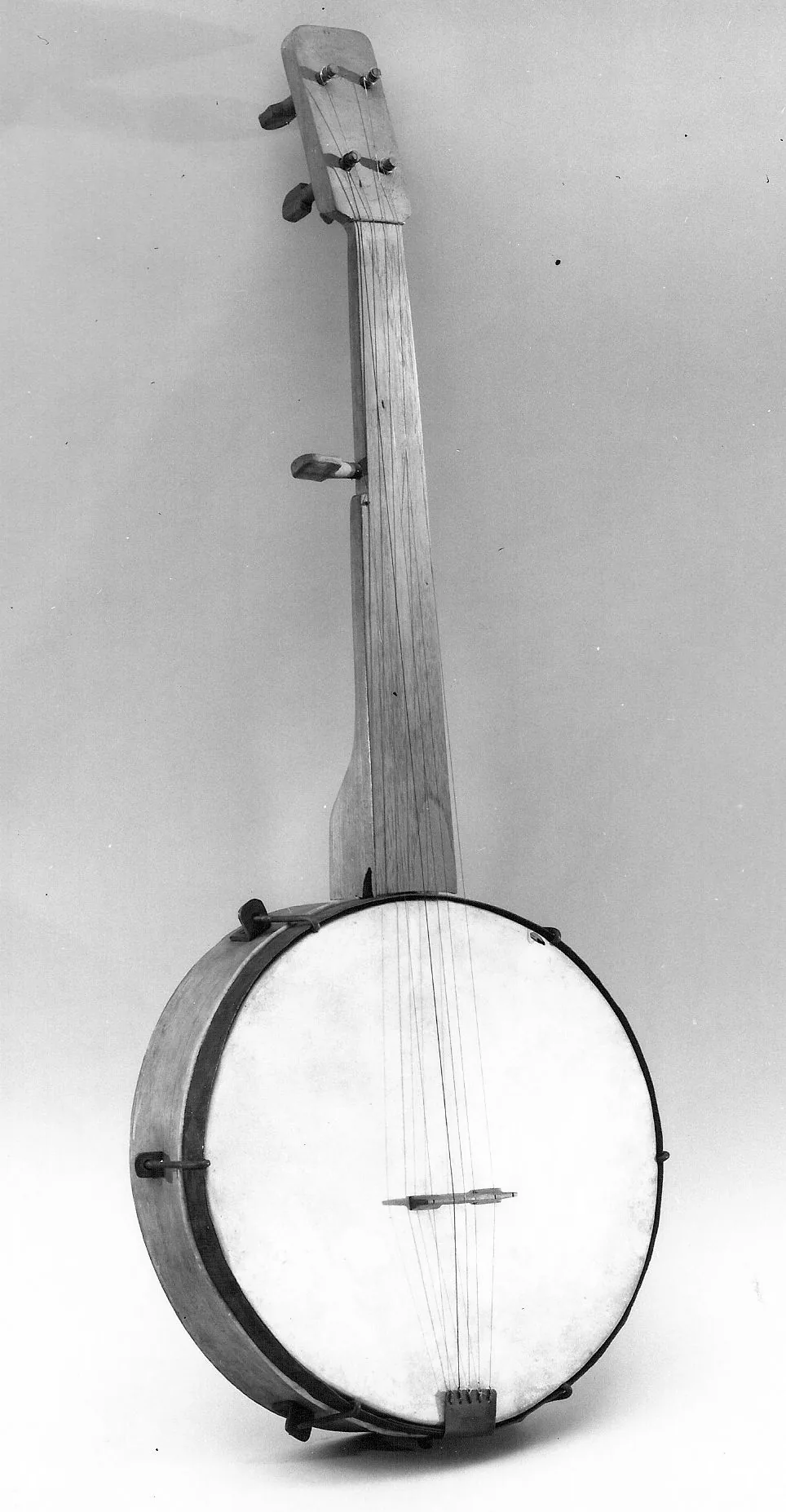
- It is a five-string banjo, tuned to open G.
- The three-finger picking technique, popularized by Earl Scruggs, is typical of this style.
- Its rhythm and tone are essential to the bluegrass sound.
History and development of the style
The banjo’s history begins with enslaved Africans in the United States, who created stringed instruments. The five-string banjo became an important instrument in American folk music.
The five-string banjo’s “classic” period lasted from 1880 to 1910. Later, in the 1940s, bluegrass helped revive it, particularly through Earl Scruggs.
How it differs from other banjo styles
The bluegrass banjo differs from other styles:
| Banjo style | Characteristics |
|---|---|
| Four-string banjo | Used in New Orleans jazz and Irish music, and played with a pick. |
| Six-string banjo | Tuned like a guitar and often used in more modern genres. |
| Bluegrass banjo | Five-string banjo with reentrant tuning, played using a three-finger picking technique. |
The bluegrass banjo stands out for its characteristics, rich history, and central role in American folk and bluegrass music.
The essentials before you begin
Before you start learning bluegrass banjo, take time to choose a banjo. Consider its build quality, type of wood, head, and tuning pegs. For beginners, a five-string banjo is the best choice.
Brands such as Deering, Washburn, and Fender offer good beginner models. The Deering Goodtime, Washburn B9, and Fender FB-54 are among the best. They are well made, easy to play, and relatively affordable.
“Choosing the right banjo is essential for getting off to a good start and making quick progress.”
You should also understand the characteristics of bluegrass banjo, including its playing techniques, tuning, and repertoire. Understanding these basics will make learning easier and help you progress quickly.

With the right banjo choice and good preparation, beginners will be ready to learn bluegrass banjo and develop their musical skills.
How to learn bluegrass banjo easily
Learning bluegrass banjo may seem difficult at first. With the right methods and resources, however, you can progress quickly. Here are the options available to you.
Recommended learning methods
Beginners should focus on the basics, particularly three-finger picking and clawhammer. Simple exercises, such as forward and backward rolls, will help you master the essential movements.
Available learning resources
Many free and paid resources can help you. You can find tablature, online tutorials, and methods such as Rocket Science Banjo. These tools will let you learn at your own pace and improve your musical skills.
Suggested progression for beginners
- Start by practicing basic movements regularly, such as forward and backward rolls.
- Then learn the G, C, and D chords, the most common in bluegrass.
- Use a metronome to develop your sense of rhythm and accuracy.
- Learn to read tablature so you can play more complex pieces.
- Attend workshops or concerts by accomplished banjo players to refine your technique.
With practice and determination, you will play bluegrass banjo with ease and expression.
“The bluegrass banjo is not simply a five-string guitar. It is a unique instrument with its own personality and musical language.”
Fundamental three-finger picking techniques
Three-finger picking is essential to bluegrass banjo. It involves playing the strings with your thumb, index finger, and middle finger to create a rhythmic, recognizable sound. Learning these bluegrass banjo techniques is essential for beginners.
Picking exercises, such as forward and backward rolls, improve dexterity and coordination. Start with simple sequences, then gradually increase their complexity. Make sure the movement comes from your arm and wrist, not just your hand.
| Technique | Description | Difficulty level |
|---|---|---|
| Forward roll | Plucking the strings in this order: thumb, index finger, middle finger | Intermediate |
| Backward roll | Plucking the strings in this order: middle finger, index finger, thumb | Intermediate |
| Alternating thumb and index finger | Plucking the strings by alternating between the thumb and index finger | Beginner |
Regular practice of these three-finger picking techniques helps you build a solid technique and play bluegrass banjo smoothly. With patience and persistence, beginners can master this fundamental aspect of banjo playing.
Understanding basic chords and scales
To get started with bluegrass banjo, you need to know the basic chords and scales. The essential chords to learn first are G, C, and D. The G chord is easy to play because it requires no left-hand fingering.
Finding your way around the fretboard
Understanding scales and chords is essential for finding your way around the fretboard and improvising. It helps to begin with major and minor scales, which form the basis of many bluegrass melodies.
Practical exercises for beginners
It helps to do daily exercises, including ascending and descending scales and chord changes. This will help you become more familiar with the fretboard and improve your dexterity and sense of rhythm.

“Regular practice of scales and chords is the key to mastering bluegrass banjo.” — Sarah, an established banjo teacher.
In short, knowing the basic chords and scales is essential for bluegrass banjo beginners. Focused exercises will help you find your way around the fretboard and gradually develop your musical skills.
Reading and playing tablature
Banjo tablature is very useful for beginners. It lets you play pieces without knowing how to read standard notation. Banjo tablature has five lines, each representing a string. The numbers on those lines indicate which frets to use.
Learning to read banjo tablature makes learning easier. Beginners can play simple melodies without having to master music theory.
- Tablature clearly shows which notes to play on each string.
- It helps beginners focus on reading tablature rather than standard notation.
- Playing from tablature makes learning pieces more accessible and faster.
With tablature, beginners can quickly play their favorite pieces and develop their musical skills in a simple, enjoyable way.

Developing rhythm and timing
Rhythm and timing are essential to playing bluegrass banjo. Regular practice with a metronome helps musicians build a solid foundation and play accurately and smoothly.
Roll exercises
Rolls, such as the forward roll, are essential. Practicing them improves dexterity, fluidity, coordination, and your sense of banjo rhythm.
Practicing with a metronome
A metronome helps you work on timing and accuracy. It lets beginners become familiar with roll exercises and play at a steady tempo.
Basic rhythmic patterns
Basic patterns, such as “bum-ditty” and “bum-ty,” are essential. Regular practice of these patterns improves coordination and makes your playing steadier and more confident.
“Rhythm and timing are the foundations of bluegrass banjo playing. With practice and persistence, you will develop a solid rhythmic foundation that lets you play with accuracy and expression.”
Conclusion
Making progress on the banjo takes patience and regular practice. You need to master the basic techniques, understand chords and scales, and develop your sense of rhythm.
It is essential to progress at your own pace and enjoy learning. Joining a banjo community can be very motivating: it lets you share ideas and improve together.
Learning bluegrass banjo may seem difficult at first. With determination and commitment, however, you can become an excellent player. Online tutorials and group lessons can help you get there.
By practicing regularly and applying the fundamental techniques, you will discover the richness of bluegrass banjo. You can then develop your own style and join a community of enthusiasts.
Embark on this musical journey. With patience and persistence, you will soon be able to make your banjo strings sing and express the full richness of bluegrass.