
Folk music encompasses a variety of musical genres that emerged in the early 20th century and are associated with traditional music. Over time, it evolved and became more popular, reaching its peak in the 1960s. Famous folk artists such as Bob Dylan and Joan Baez played a key role in the folk movement in the United States. The movement also developed in the United Kingdom, Ireland and Canada, where it continues to have a strong influence on today’s music scene.
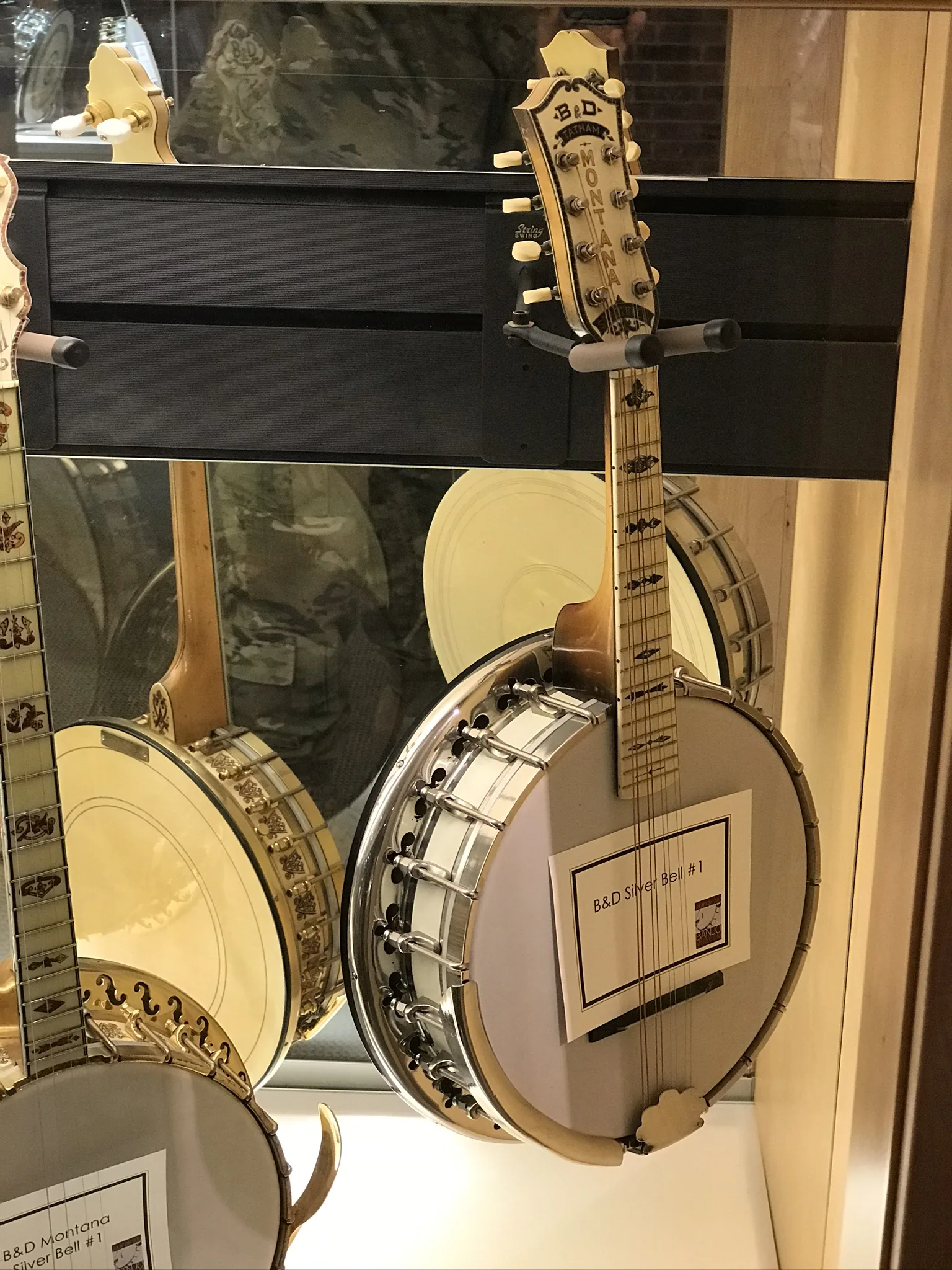
Folk music has its roots in the musical traditions of different regions around the world. Folk songs, passed down from generation to generation, tell stories and evoke the customs and emotions of the communities that created them. Folk instruments, such as the acoustic guitar, banjo and fiddle, play an essential role in folk music, creating a warm, authentic atmosphere.
Over time, folk music evolved and adapted to cultural and social changes. In the 1960s, the folk revival brought the genre unprecedented popularity, as artists used music to convey social and political messages. Folk music also blended with other genres, such as rock, blues and country, giving rise to new styles and influences. Today, many artists continue to shape folk music by bringing contemporary elements into the tradition.
The folk movement in the United States was shaped by artists such as Bob Dylan and Joan Baez, who played a key role in popularizing American folk music and conveying political and social messages. The United Kingdom and Ireland were also important centers of the folk movement, with notable artists such as Donovan in the United Kingdom and The Dubliners in Ireland. The folk movement in these countries had a global influence, inspiring many artists to draw on their own musical traditions.
In Canada, folk music holds an important place, particularly on the western Prairies, where it is steeped in the country’s history and traditions. In France, the folk movement emerged in the 1960s with the opening of the first folk club in Paris. It has since evolved by incorporating contemporary and regional influences, giving rise to a diverse folk scene. Well-known artists such as Joni Mitchell in Canada and Graeme Allwright in France helped popularize folk music in those countries.
The folk revival of the 21st century has seen the emergence of a new generation of folk artists who draw inspiration from the past while bringing a contemporary touch to folk music. These artists continue to explore the themes and sounds that define folk music, helping renew the genre. Folk remains an influential and cherished genre, valued both for its poetry and for its deep connection to the traditions and stories of the past.
Folk music has a long history rooted in musical traditions from around the world. Over the centuries, it has evolved and adapted while retaining its traditional roots. It continues to play an important role in preserving and passing on languages, stories and cultural traditions. It still influences today’s music scene through the many artists who carry on the tradition. In Canada, France and elsewhere in the world, folk music remains a timeless and cherished form of expression.
The origins of folk music
Folk music has its roots in the musical traditions of different regions around the world. Folk songs, passed down from generation to generation, tell stories and evoke the customs and emotions of the communities that created them. These songs are often performed with folk instruments, such as the acoustic guitar, banjo and fiddle, which help create a warm, authentic atmosphere. Thanks to these regional musical traditions, folk music became a genre in its own right, with deep cultural and historical significance.
Folk songs are often rooted in everyday life. They address themes such as love, nature, social and political struggles, and historical events. They reflect universal experiences and emotions, allowing listeners to reconnect with a shared past and the traditions of their ancestors. Folk music is therefore an important means of preserving and passing on the languages, stories and customs of cultures around the world.
Folk music creates a powerful link between past and present, as well as a sense of continuity across generations and cultures. It reminds us of our roots and shared heritage while evolving to reflect changes in modern society.
Exploring the origins of folk music helps us better understand the importance of this form of artistic expression and its influence on today’s music scene. Folk instruments and folk songs continue to be used and appreciated by artists around the world, adding to the genre’s diversity and richness.
| Country or region | Folk instruments | Folk songs |
|---|---|---|
| United States | Acoustic guitar, banjo, fiddle | Appalachian songs, blues, spirituals |
| United Kingdom | Acoustic guitar, bagpipes, mandolin | English ballads, Scottish and Irish folk songs |
| Canada | Acoustic guitar, fiddle, harmonica | French-Canadian folk songs, maritime songs |
| Ireland | Fiddle, tin whistle, bodhrán | Irish folk songs, rebel ballads |
The evolution of folk music
Folk music has evolved considerably throughout its history, adapting to cultural and social changes. During the 1960s, the folk revival marked a major turning point for the genre, bringing unprecedented popularity and closer ties to the social and political movements of the time. Folk artists used music to convey messages about causes they believed in and express their views on social and political issues.
During this revival, folk music also blended with other genres, such as rock, blues and country. This fusion gave rise to new styles and influences, greatly expanding folk music’s audience and reach. Artists such as Bob Dylan, Joan Baez and Joni Mitchell were at the forefront of these developments, ushering in a new era for folk music.
“Folk music is a voice for the voiceless, an expression of struggle and hope.” — Bob Dylan
Today, folk music continues to evolve and reinvent itself while staying true to its traditional roots. Many artists have carried it forward and given it a contemporary touch. They incorporate elements of electronic music, jazz and other influences while preserving the genre’s essence and authenticity. Folk music remains a powerful way to tell stories and convey emotions. It continues to inspire new generations of artists and music lovers around the world.
Musical influences on the evolution of folk
Various musical styles have influenced the evolution of folk music. Blues, with its emotional expression and themes of struggle and injustice, has left a particular mark on folk. Folk artists have incorporated elements of blues into their music, creating a harmonious blend of the two genres.
The social and political protest movements of the 1960s also had a profound influence on the evolution of folk. Protest folk songs expressed demonstrators’ concerns and hopes. They helped mobilize and unite activists, giving momentum to the civil rights movement and other struggles for social justice.
The evolution of folk music reflects the social and cultural changes of our time. The genre continues to reinvent itself by embracing new influences while retaining its storytelling and emotional power. Folk music remains a profound form of expression that continues to move its listeners.
| Period | Influences | Notable artists |
|---|---|---|
| 1960s | Blues, protest music | Bob Dylan, Joan Baez |
| 1970s | Country, rock | Joni Mitchell, Neil Young |
| 2000s | Electronic music, jazz | Fleet Foxes, Bon Iver |
The folk movement in the United States, the United Kingdom and Ireland
The folk movement became highly popular in the United States, the United Kingdom and Ireland. These countries produced famous folk artists who shaped the history of folk music and had a global influence.
In the United States, notable artists such as Bob Dylan and Joan Baez played a central role in popularizing American folk music. They used their songs to convey social and political messages, becoming important voices in the movement. Their socially engaged lyrics and moving melodies resonated with millions of people and helped shape the collective outlook of the time.
The United Kingdom and Ireland were also important centers of the folk movement. In the United Kingdom, artists such as Donovan, Bert Jansch and Sandy Denny played an essential role in popularizing British folk music. In Ireland, groups such as The Dubliners helped preserve and celebrate Irish traditional music by adapting it to a contemporary setting.
“Folk music is a bridge between generations, a way to preserve our cultural heritage and share it with the whole world. It is a musical treasure that continues to inspire musicians and touch the hearts of many people around the world.”
The global influence of folk music
The folk movement in these countries had a global influence, inspiring many artists to draw on their own musical traditions and create music rich in folk melodies and themes. The simplicity and authenticity of folk music have resonated with audiences around the world, across linguistic and cultural boundaries.
Folk music brings people together through timeless stories and shared emotions. It continues to enrich today’s music scene and contribute to the diversity and richness of artistic expression around the world.
| Country | Famous folk musicians |
|---|---|
| United States | Bob Dylan, Joan Baez |
| United Kingdom | Donovan, Bert Jansch, Sandy Denny |
| Ireland | The Dubliners |
The legacy of the folk movement in these countries is undeniable and continues to inspire new artists to embrace folk music and contribute to its revival. Folk music shows how music can cross borders and create deep connections between cultures and people.
Folk music in Canada and France
In Canada, folk music holds an important place, particularly on the western Prairies, where it is steeped in the country’s history and traditions. The roots of Canadian folk music reach back to the traditional songs of European settlers, Indigenous peoples and the Métis. These songs tell stories of everyday life, love, nature and social struggles. Famous Canadian folk artists such as Joni Mitchell, Gordon Lightfoot and Stan Rogers helped popularize folk music in Canada and bring it to international audiences.
In France, the folk movement emerged in the 1960s with the opening of the first folk club in Paris. The revival of folk music in France was shaped by artists such as Graeme Allwright, Hugues Aufray and Anne Sylvestre. They brought contemporary and regional influences into their music, giving rise to a diverse folk scene. Folk music in France is influenced by regional musical traditions, including Breton song, Celtic music and Occitan music. French folk song lyrics often address social and political themes, as well as historical and mythological stories.
Folk music in Canada and France reflects the diversity of each country’s music scene and allows artists to reconnect with their regional musical traditions. It continues to evolve and reinvent itself while remaining rooted in each culture. It is valued both for its poetry and for its ability to capture the essence of human stories and emotions.
Famous folk musicians from Canada:
| Artist | Genre | Years active |
|---|---|---|
| Joni Mitchell | Folk rock, pop | 1964 – present |
| Gordon Lightfoot | Folk, country | 1958 – present |
| Stan Rogers | Folk | 1970 – 1983 |
Famous folk artists from France:
| Artist | Genre | Years active |
|---|---|---|
| Graeme Allwright | Folk | 1965 – 2018 |
| Hugues Aufray | Folk | 1959 – present |
| Anne Sylvestre | Folk | 1957 – 2020 |
The folk revival and folk music today
The folk revival of the 21st century has seen the emergence of a new generation of folk artists who draw inspiration from the past while bringing a contemporary touch to folk music. These artists continue to explore the themes and sounds that define folk music, helping renew the genre. Through their creativity and talent, they have attracted a wider audience and rekindled interest in folk music.
This new generation of folk artists expresses itself through thoughtful, poetic songs that address universal themes such as love, nature and the search for meaning. These artists use modern arrangements and experiment with new instruments and recording techniques to create a distinctive contemporary folk sound. Their music is both nostalgic and innovative: it captures the spirit of traditional folk while allowing it to evolve with the outlook and tastes of the time.
The folk revival has also been supported by the rise of streaming platforms and social media, which have allowed artists to connect directly with their audiences and promote their music independently. This has opened up new possibilities for emerging folk artists and helped expand and diversify the folk scene.
Table: comparing traditional folk artists and the new generation
| Traditional folk artists | New generation of folk artists | |
|---|---|---|
| Themes explored | Traditions, local stories | Love, the search for meaning, social issues |
| Arrangements | Acoustic, traditional instruments | A blend of acoustic and electronic instruments |
| Audience | Predominantly older listeners | A wider, younger audience |
| Influence | Continuing musical traditions | Reinterpreting and expanding the genre’s boundaries |
The new generation of folk artists brings fresh ideas and renewed creativity to folk music while respecting the genre’s heritage and traditions. Their work helps keep folk alive and present in today’s musical landscape. By continuing to explore new ideas and push the genre’s boundaries, these artists help ensure folk music endures for generations to come.
Conclusion
Folk music has a long history rooted in musical traditions from around the world. Over the centuries, it has evolved and adapted while retaining its traditional roots. It continues to play an important role in preserving and passing on languages, stories and cultural traditions.
It still influences today’s music scene through the many artists who carry on the tradition. In Canada, France and elsewhere in the world, folk music remains a timeless and cherished form of expression.
Beyond its warm, authentic sound, folk touches listeners through its poetic lyrics and deep connection to the traditions and stories of the past. As an influential musical genre, it continues to captivate music lovers of every generation and convey universal messages.
Whether we explore the origins of folk, its evolution or its influence in different countries, folk music has an undeniable ability to bring people together, celebrate cultural diversity and move us. Let us keep listening to, singing and appreciating folk music in all its timeless beauty.
FAQ
What is folk music?
Folk music encompasses a variety of musical genres that emerged in the early 20th century and are associated with traditional music.
Which instruments are used in folk music?
Folk instruments, such as the acoustic guitar, banjo and fiddle, play an essential role in folk music by creating a warm, authentic atmosphere.
Who are some famous folk artists?
Bob Dylan and Joan Baez are famous folk artists who played a key role in the folk movement in the United States.
How has folk music evolved?
Over time, folk music has evolved and adapted to cultural and social changes. It has blended with other genres, such as rock, blues and country, while retaining its traditional roots.
What influence has the folk movement in the United States, the United Kingdom and Ireland had?
The folk movement in the United States, the United Kingdom and Ireland has had a global influence, inspiring many artists to draw on their own musical traditions.
What place does folk music hold in Canada and France?
Folk music holds an important place in Canada and France. Artists such as Joni Mitchell in Canada and Graeme Allwright in France have helped popularize it.
How has folk music evolved in the 21st century?
The folk revival of the 21st century has seen the emergence of a new generation of folk artists who draw inspiration from the past while bringing a contemporary touch to folk music.
Why is folk music important for preserving cultural traditions?
Folk music plays an important role in preserving and passing on languages, stories and cultural traditions, both around the world and within local communities.