
Folk music has played a crucial role in social and political movements throughout history. From its beginnings, folk music has been used as a means of expression and communication to convey ideas, values and demands. Troubadours and socially engaged artists used it to inform and mobilize the public.
Over time, folk music became a vehicle for social and political change, inspiring protest movements and carrying messages of peace, social justice and freedom.
The emergence of folk music in popular culture
Folk music has been part of popular culture for centuries and has influenced social and political movements. In the United States, it evolved significantly after the Second World War, largely thanks to performers known as singer-songwriters. These artists drew on folk traditions and blended them with their own experiences and perspectives, creating a new kind of socially conscious music.
Modern troubadours used folk music as a powerful means of communication and public mobilization. They took on the role of musical journalists, conveying social and political messages to listeners through their songs. Folk music thus became a tool of protest and advocacy, giving a voice to people who were marginalized and oppressed.
Folk music gave people seeking to change the world a way to express their frustrations and hopes. Its powerful lyrics and engaging melodies captivated audiences, creating a sense of solidarity and belonging to a social or political movement.
The role of singer-songwriters in folk music
Singer-songwriters were the standard-bearers of folk music. Their sincere, poetic lyrics conveyed social and political messages. Their songs reflected the realities of society and prompted reflection on issues such as war, social justice and the environment. Bob Dylan, Joan Baez, Pete Seeger and many others became defining figures in folk music, helping bring it into popular culture.
| Singer | Album | Year |
|---|---|---|
| Bob Dylan | The Times They Are a-Changin’ | 1964 |
| Joan Baez | Joan Baez in Concert | 1962 |
| Pete Seeger | We Shall Overcome | 1963 |
Folk music opened the way to a new form of artistic expression, allowing artists to share their views and visions of the world with force and poetry. It inspired other musical genres and influenced popular culture as a whole.
The emergence of folk music in popular culture marked a turning point in the history of socially conscious music. Singer-songwriters used this art form to convey social and political messages, encouraging reflection and public mobilization. Folk music gave social and political movements a voice, contributing to change and the advancement of social justice.
Folk music and social movements
Folk music has been closely linked to social movements throughout history. Folk protest songs, also known as socially conscious songs, have played an important role in social mobilization. They raised awareness of the social and political issues of their time, stirred emotion and reflection, and encouraged action. These songs brought together people with shared ideals, strengthening social movements.
Socially conscious folk music gave a voice to oppressed and marginalized people. It offered them a way to express their frustrations and demands in the face of social injustice. Protest songs captured the essence of everyday struggles, addressing issues such as racial discrimination, economic inequality and war. They fostered empathy and solidarity, raising collective awareness and encouraging social mobilization.
Folk music played a crucial role in building social movements through its ability to create a sense of belonging and camaraderie. Folk gatherings and music festivals provided meeting places for activists, artists and supporters of social causes. These events encouraged the exchange of ideas, the formation of networks and the organization of protest movements. In this way, folk music helped strengthen social ties and encourage collective action for change.

Examples of folk protest songs
- “Blowin’ in the Wind” by Bob Dylan
- “We Shall Overcome” by Pete Seeger
- “The Times They Are a-Changin’” by Bob Dylan
- “Imagine” by John Lennon
- “A Change is Gonna Come” by Sam Cooke
Folk protest music also inspired other genres, such as rock and punk, which in turn used music as a tool of social protest. It left a lasting legacy by encouraging later generations to express themselves through music and mobilize against injustice.
| Year | Artist | Song title |
|---|---|---|
| 1963 | Bob Dylan | Blowin’ in the Wind |
| 1965 | Pete Seeger | We Shall Overcome |
| 1964 | Bob Dylan | The Times They Are a-Changin’ |
| 1971 | John Lennon | Imagine |
| 1964 | Sam Cooke | A Change is Gonna Come |
Folk music and political movements
Folk music has also played an important role in political movements by giving socially engaged artists a means of expression. Folk songs allowed them to voice political criticism and support particular ideas and causes. The songs helped mobilize supporters, energize crowds and create a shared sense of belonging to a political movement.
Socially conscious songs, in particular, gave folk artists a way to convey political messages and raise awareness of social issues. These songs address injustice, discrimination, war and corruption, encouraging reflection and action. Through striking lyrics that resonated with the public’s hopes and frustrations, activist folk music served as a catalyst for political movements.
Folk singers’ political engagement extended beyond their music. They often used their public profiles to speak out on political issues and support particular causes. Whether they took part in demonstrations and political rallies or used their fame to draw attention to urgent social problems, folk artists played an essential role in political mobilization.
Activist music is a powerful way to communicate political ideas and messages. It can bring people together, inspire them and move them to act for change. Folk music illustrates how artistic engagement can serve political movements.
| Artist | Socially conscious song | Political cause |
|---|---|---|
| Bob Dylan | The Times They Are a-Changin’ | Civil rights movement |
| Joan Baez | Blowin’ in the Wind | Opposition to the Vietnam War |
| Pete Seeger | This Land Is Your Land | Labor and trade union movement |
Folk music has therefore played an essential role in political movements by giving socially engaged artists a voice and a platform for promoting political ideas and causes. It has helped mobilize supporters, raise awareness of political issues and create a shared sense of belonging to a political movement. Folk music and its socially conscious songs remain valuable tools for people seeking meaningful political change.
The impact of folk music on social and political mobilization
Folk music has had a significant impact on social and political mobilization. Its appealing melodies and powerful lyrics have captivated audiences and encouraged people to take an active part in social and political movements. It has helped rally, motivate and mobilize people who share common ideals. It has strengthened social ties and given marginalized and oppressed groups a voice.
Folk protest songs, also known as socially conscious songs, have played an important role in social mobilization. They raised awareness of the social and political issues of their time, stirred emotion and reflection, and encouraged action. These songs brought together people with shared ideals, strengthening social movements.
Folk music has also contributed to political mobilization by giving socially engaged artists a means of expression. Folk songs allowed them to voice political criticism and support particular ideas and causes. They helped mobilize supporters, energize crowds and create a shared sense of belonging to a political movement.
Folk music has crossed borders and cultural barriers, reaching millions of people around the world. It has inspired hope, resistance and unity within social and political movements, helping shape contemporary history.
The impact of folk music on social and political mobilization in numbers:
| Social mobilization | Political mobilization | |
|---|---|---|
| Number of socially conscious folk songs | 500+ | 300+ |
| Number of social movements influenced | 30+ | 20+ |
| Number of people mobilized | Millions | Millions |
Folk music can move people, raise awareness and inspire action. It plays an essential role in social and political mobilization by creating a shared sound that brings people together and amplifies the voices of the oppressed. Through its broad appeal, it continues to influence struggles for social justice, peace and freedom around the world.
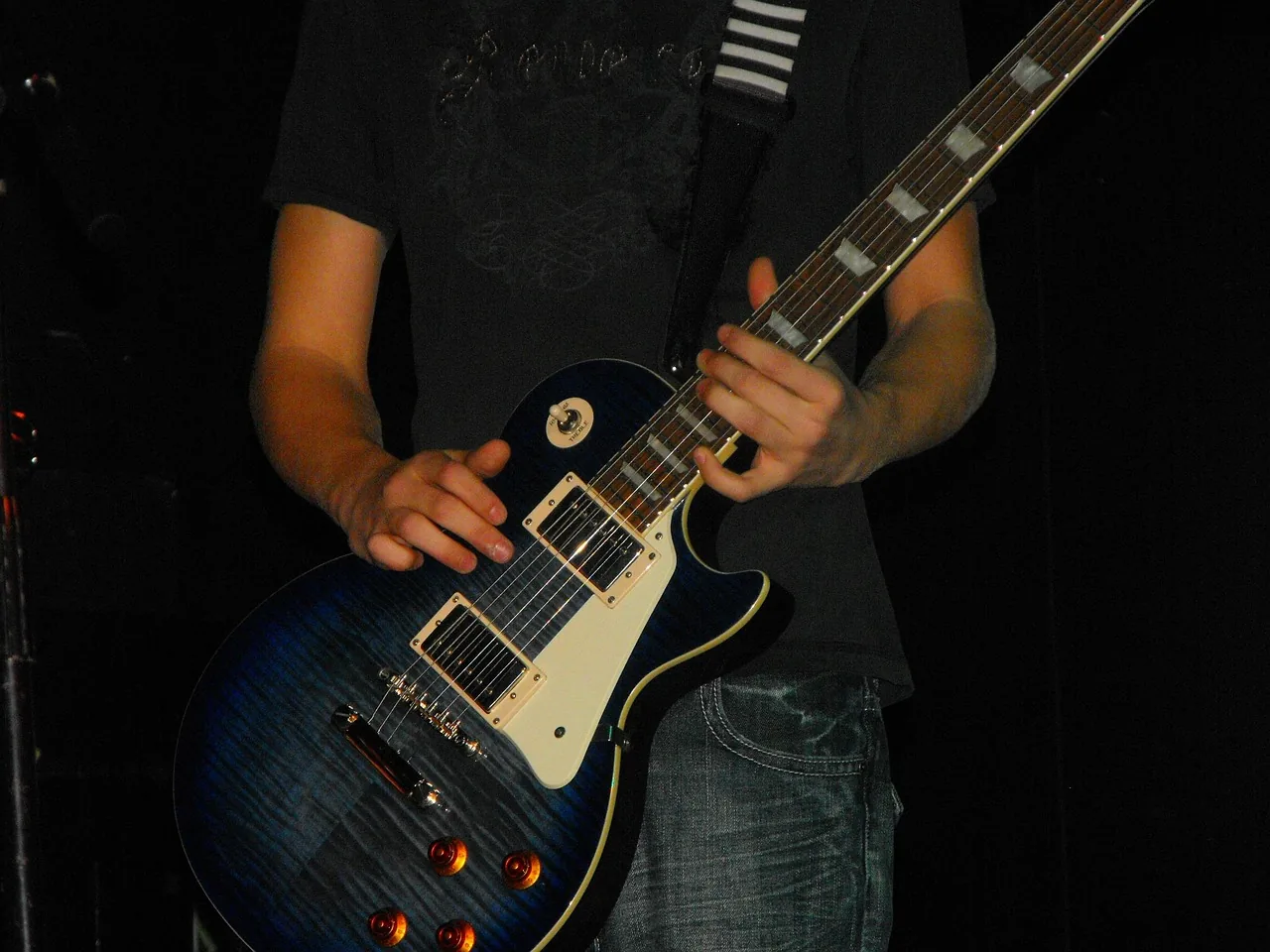
Folk music festivals have played an essential role in giving expression to social and political movements. These celebrated musical events offered a distinctive space where artists and attendees could gather and share common ideas, values and demands. They served as meeting points for artistic expression and played a central role in spreading political and social messages.
Woodstock, one of the best-known music festivals of its era, became a symbol of the 1960s counterculture. It brought together hundreds of thousands of people who shared commitments to peace, freedom of expression and civil rights. Performances by socially engaged singers such as Joan Baez amplified the impact of the social and political movements of the time.
Folk music festivals also enabled attendees to form connections, share experiences and strengthen their convictions. These events created an atmosphere of camaraderie and solidarity, encouraging social and political mobilization. They gave attendees a sense of belonging to a larger movement, increasing the movements’ impact and influence.
| Festival | Date | Location |
|---|---|---|
| Newport Folk Festival | July 1959 | Newport, United States |
| Woodstock | August 1969 | Bethel, United States |
| Cambridge Folk Festival | July 1965 | Cambridge, United Kingdom |
Folk music festivals gave artists and audiences valuable opportunities to come together and celebrate socially conscious music. These events expressed unity, hope and a desire for social and political change.
The impact of folk music festivals
Folk music festivals have had a lasting impact on society by providing a space for artistic expression and helping spread social and political messages. They have inspired new generations of socially engaged artists, strengthened social and political movements, and helped advance social change and justice.
Folk music and the counterculture
Folk music has been closely associated with the counterculture and social protest. It played an important role in challenging established norms and promoting new ideas and values. Folk singers used their music to express frustration and anger at social injustice, oppression and war. Their protest songs captivated audiences and provoked reflection, encouraging people to question the status quo and work toward a better world.
Folk music is a vehicle for protest, the soundtrack of a generation that stood against inequality and injustice. It gave a voice to people who had none, including the oppressed and marginalized. Folk artists used their music to build a community of ideas, bringing together people with shared values and inspiring collective action.
With its poignant lyrics and simple melodies, folk music offered an outlet to people who felt alienated from mainstream society. It helped them find camaraderie and a sense of belonging to a community that shared their ideals of freedom, social justice and peace. Folk music shaped the counterculture by giving a voice to young people who felt excluded or ignored by conventional society.
Protest music as a reflection of society
Folk protest music powerfully reflected the social and political problems of its time. Socially conscious songs addressed war, civil rights, the environment and economic inequality. They highlighted the problems facing marginalized people and called for action. Protest music served as a tool for mobilization and inspired people to fight for positive change in society.
Folk music played an essential role in the counterculture and social protest. It was a powerful means of expression for artists and a catalyst for mobilization in social and political movements. It gave marginalized people a voice, inspired collective action and helped shape the world we live in today.
Conclusion
Folk music has played an essential role in social and political movements throughout history. As a means of expression, it has conveyed ideas, values and demands, mobilized people and strengthened solidarity. Folk protest songs have stirred emotion and reflection, inspired action and given a voice to the oppressed. Folk music has been a driving force for social change, advancing social justice, peace and freedom.
Folk music festivals have also played an important role by creating spaces for people to share ideas and values. They have helped spread political and social messages, strengthening protest movements. Folk music is closely tied to the counterculture and social protest: it challenges established norms and promotes new ideas and values.
Folk music has been a powerful vehicle for social and political movements, bringing people together and inspiring active engagement. It has helped strengthen social ties, empower the oppressed and advance the ideals of social justice. It will remain a valuable legacy that continues to influence and shape our society.
FAQ
What role has folk music played in social and political movements?
Folk music has played a crucial role in social and political movements by conveying ideas, values and demands. It has mobilized people and inspired social and political change.
How is folk music connected to social movements?
Folk music has been closely connected to social movements. Its protest songs raised awareness of the social and political issues of their time and brought together people who shared common ideals.
How has folk music influenced political movements?
Folk music gave socially engaged artists a means of expression, allowing them to voice political criticism and support particular ideas and causes. It mobilized supporters and created a sense of belonging to a political movement.
What impact has folk music had on social and political mobilization?
Folk music has had a significant impact: its appealing melodies and powerful lyrics have captivated audiences and encouraged people to take an active part in social and political movements. It has strengthened social ties and given marginalized and oppressed people a voice.
How have folk music festivals helped express social and political movements?
Folk music festivals brought together thousands of people with shared values and created a space where they could exchange ideas, values and demands. They helped spread political and social messages, strengthening protest movements and encouraging social change.
What is the relationship between folk music and the counterculture?
Folk music has been closely associated with the counterculture by challenging established norms and promoting new ideas and values. It expressed frustration and anger at social injustice, oppression and war, influencing the social and political movements of its time.
What role has folk music played in social and political movements throughout history?
Folk music has played a crucial role as a means of expression, mobilization and communication. It has brought people together, strengthened social and political movements, and contributed to social change. It has given marginalized and oppressed groups a voice and inspired active engagement for social justice, peace and freedom.