
The mandolin is a key instrument in bluegrass, a musical style that emerged in the 1940s. Bill Monroe was its pioneer. Learning to play the mandolin is essential if you want to excel in this genre. Whether you are just starting out or looking to improve, these tips will help you play better.
Many guitarists discover bluegrass through the mandolin. The two instruments share some techniques. Playing the mandolin, however, calls for movements and techniques of its own. Bickford’s method is a reference for learning bluegrass mandolin playing.
Bluegrass calls for a distinctive rhythm and specific picking techniques. This series will teach you the skills you need and help you develop your musical creativity on the mandolin.
Bluegrass Mandolin Fundamentals
To play mandolin in the bluegrass style, you need to know a few basics. Using a pick is essential. Strike the strings with its rounded tip to produce a stronger, more distinctive sound.
Volume is crucial in bluegrass. The mandolin needs a rich, powerful sound that holds its place between the banjo and the guitar. That makes right-hand technique especially important. The little finger plays a key role in melodic bluegrass mandolin playing.
A Distinctive Picking Technique
Mandolin picking technique differs from guitar picking technique. Hold the pick so that you play with its rounded tip for a stronger sound. This produces the bright, percussive tone typical of bluegrass.
Why Volume Matters
In bluegrass, the mandolin needs a strong, clear sound. It must find its place between the banjo and the guitar. Right-hand technique is essential to achieving that sound.
The Little Finger’s Role in Playing
Using the little finger is crucial to melodic bluegrass mandolin playing. It helps you play smooth, expressive musical phrases. The little finger also contributes to the precise, rhythmic playing that gives bluegrass its distinctive sound.
“The mandolin needs to project a strong sound between the banjo and the guitar to fit into a bluegrass ensemble.”
Bluegrass Mandolin: Tips and Advice
There are several ways to learn bluegrass mandolin. Bluegrass mandolin advice and mandolin playing tips can help you make progress quickly. Here are some options for learning the mandolin in the bluegrass style:
- Take online lessons with experienced teachers to learn the basics.
- Attend intensive workshops to immerse yourself in bluegrass and study the mandolin in depth.
- Use specialized instruction books to practise on your own.
Whichever route you choose, regular practice and listening to great bluegrass mandolinists are essential. You should also work on bluegrass techniques, particularly rhythm playing and melodic playing.
| Type of instruction | Approximate cost | Benefits |
|---|---|---|
| Online lessons | €30 to €50 per hour | Flexibility, individual guidance |
| Intensive workshops | €200 to €500 per workshop | Immersion, exchanges with other musicians |
| Instruction books | €20 to €50 per book | Learn at your own pace, low cost |
Whatever method you choose, ask for advice and tips. They will help you make rapid progress as you learn bluegrass mandolin.
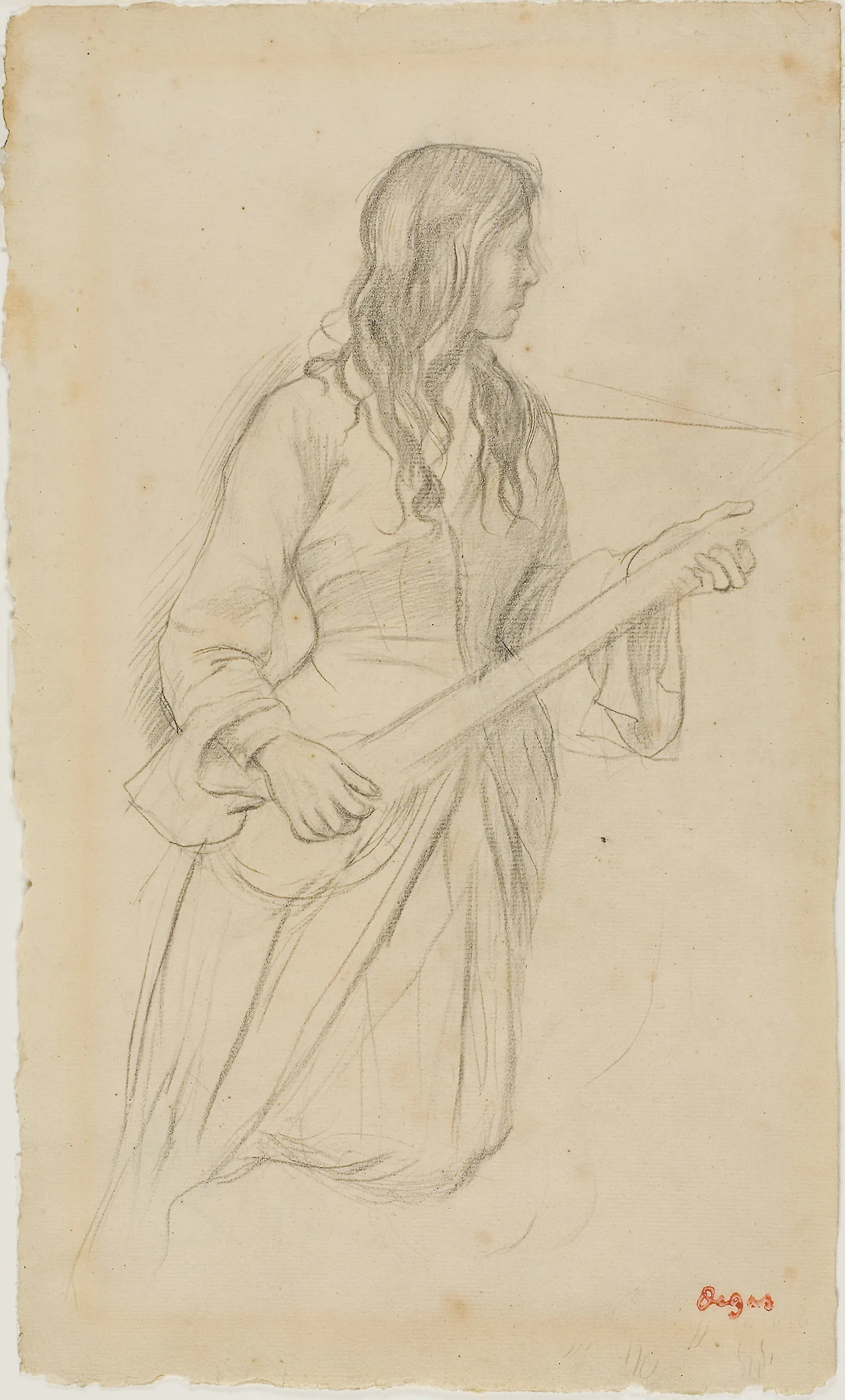
“The bluegrass mandolin requires specific techniques, but it is such a rewarding instrument to play!”
Rhythm and Harmony Techniques
In bluegrass, the mandolin’s bluegrass backbeat is essential. It recalls the rhythm of a snare drum, with a “chop” played without open strings. This rhythmic technique, combined with a lively melody, defines the bluegrass mandolin sound.
Bluegrass chords play a key role in the genre. Knowing how to play them lets you create rich accompaniment that supports the main melody and gives the sound its character.
The Bluegrass Backbeat and the “Chop”
The bluegrass backbeat on the mandolin is a distinctive technique. It creates the pulse typical of bluegrass. The “chop,” a short accent on the offbeat, is played without open strings. Combined with a lively melody, this technique is crucial to the bluegrass sound.
Essential Harmonies and Chords
Knowing bluegrass chords is essential for mandolinists. These harmonies let you create authentic accompaniment that supports the main melody with precision.
Traditional Melodic Playing
Traditional melodic playing on the bluegrass mandolin has a character of its own. It has been compared to a “sensual girl,” in contrast to the banjo. This fluid, expressive melodic approach is essential to the bluegrass style.
“The bluegrass mandolin is the beating heart of the band, with its driving bluegrass backbeat and sensual bluegrass melodies.”
Playing in Groups and Jam Sessions
Jam sessions are essential for making progress in bluegrass. Workshops are organized to teach the vocal harmonies typical of bluegrass. They are designed specifically for French speakers. Playing in a group improves musicians’ listening and coordination.
These workshops offer a chance to play with other enthusiasts and share tips and techniques. Jérémie Fraboni teaches clawhammer banjo in groups of no more than 10 students. Annick Odom leads singing workshops devoted to West Virginia ballads, limited to 10 participants.
Léo Divary focuses on old-time guitar accompaniment in workshops with up to 15 students. Darius Lecharlier and Steph Doe organize square dance and flatfoot dance sessions for a maximum of 32 dancers. Valentin Lallart leads mandolin workshops focused on right-hand techniques and the instrument’s history.
These workshops cover a wide range of skills, from singing to instrumental accompaniment. They focus on traditional folk and bluegrass music. Participants are encouraged to bring recording equipment, notebooks and pencils.
The workshops are open to all levels, from beginners to intermediate musicians. Their aim is to create an inclusive setting where knowledge is shared.
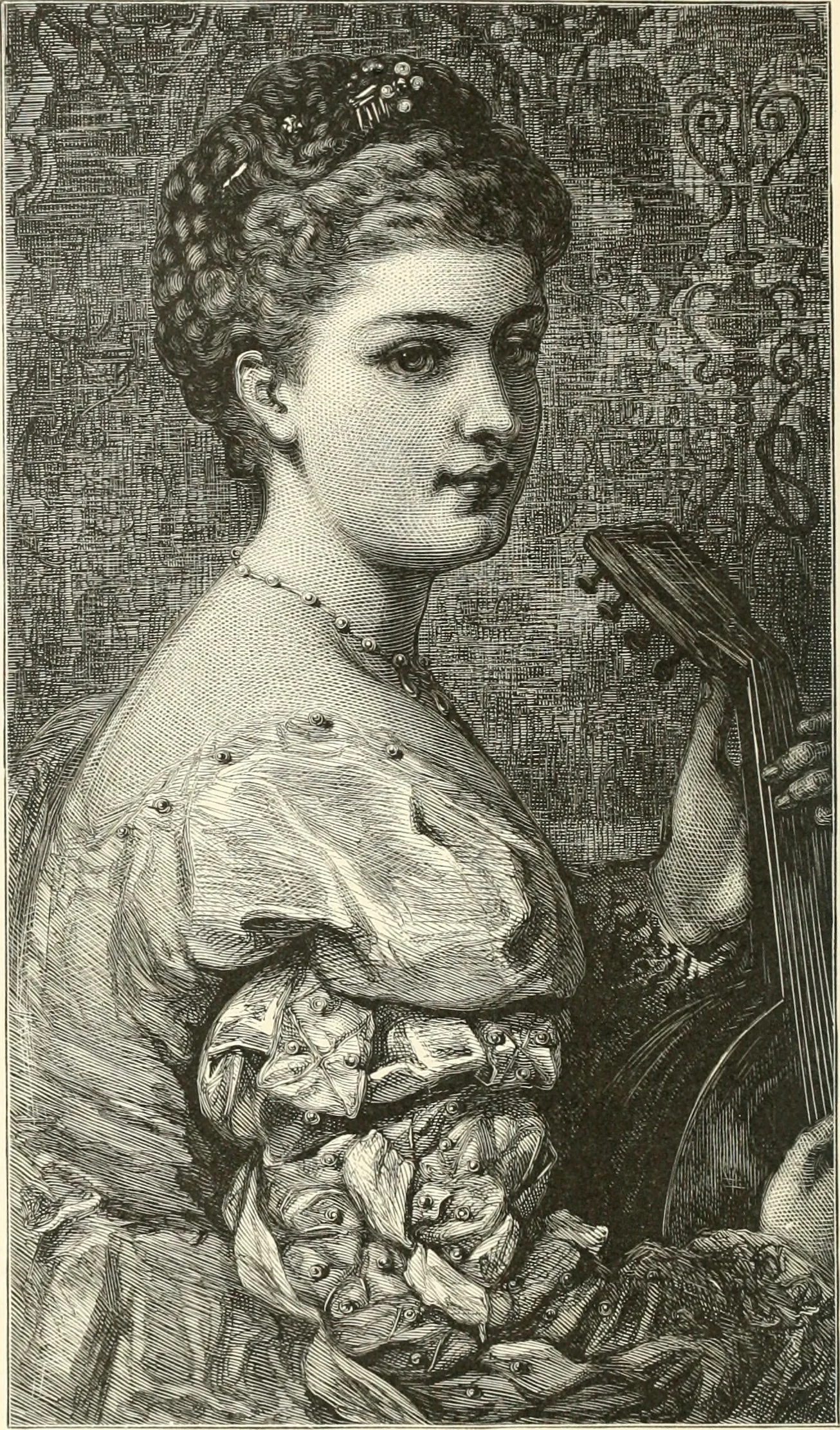
“Jam sessions are essential for making progress in bluegrass. They are a chance to exchange tips and play with other enthusiasts.”
Conclusion
Progressing on the bluegrass mandolin takes time and a passion for bluegrass. The bluegrass community is very welcoming and enjoys sharing its knowledge.
Keep learning and taking part in bluegrass events. That will help you improve. The mandolin offers many opportunities to play and meet other musicians.
Whether you are a beginner or an expert, there is always more to discover in the world of bluegrass mandolin. Join this passionate community. Experienced players can guide you as you learn the techniques and style of this distinctive instrument.
Your musical journey is just beginning!
Keep exploring and practising with enthusiasm. Share your love of bluegrass mandolin. With time and commitment, your skills will improve.
Enjoy playing and share your passion with other musicians.